What a New Roof Costs in Oklahoma City: The Factors
There is no honest per-square price for a new roof, because the quote is built from your roof's measured facts - and two roofs on the same street can differ by multiples.
Read the Guide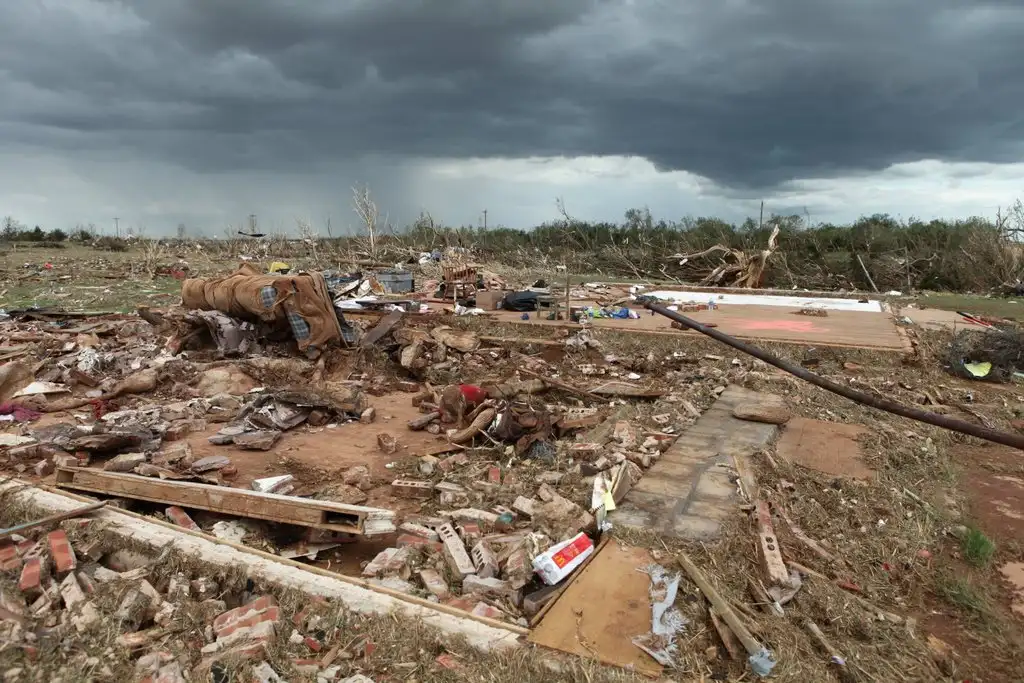
Storm season does not damage sound roofs - it finds the damage the calm months already did, and delivers hail, violent wind and driven rain to every weak point at once.
Problem: Storm season does not damage sound roofs - it finds the damage the calm months already did, and delivers hail, violent wind and driven rain to every weak point at once.
Solution: Prepare in early spring: test the seals, refasten what lifts, renew split sealant, clear every water path, and take the limbs over the roof down while the weather is calm.
When to call: Call before the season if seals have failed across a slope, coatings are spent or drainage is blocked - and right after any storm that drops material in your yard or starts a new leak.
Oklahoma City's severe season is a strange kind of examination period: from March into June, peaking in May, supercell storms cross the metro with hail, outflow wind, driving rain and the tornado risk the month carries in local memory. Every roof is graded on the condition the winter left it in. Roofs do not experience it as weather; they experience it as an audit - of every seal, fastener and drain. This guide is the study plan, timed for early spring, while the fixes are still small and the schedule is still calm.
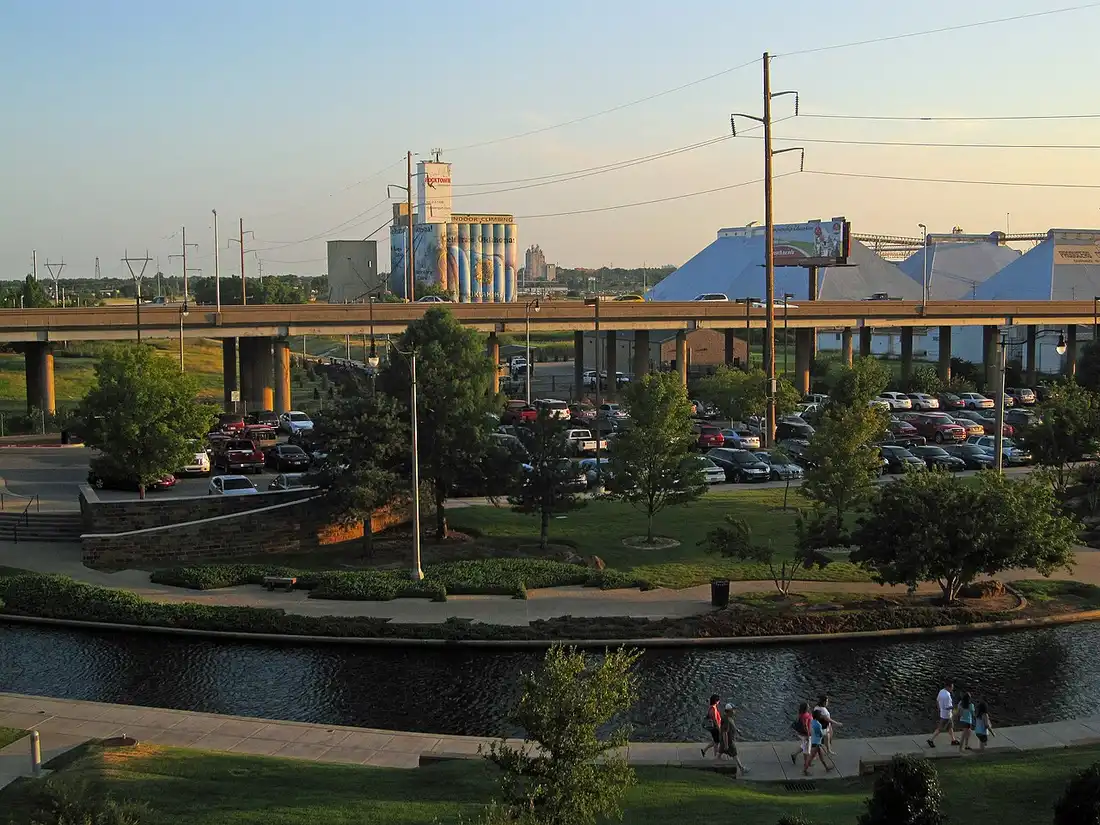
Oklahoma City sits in the heart of the southern plains, where the Canadian River - renamed the Oklahoma River through the city - crosses Tornado Alley itself. The roof calendar here is written by spring supercells with large hail and damaging wind, by summers hot enough to soften shingle asphalt for weeks at a stretch, and by winters that swing from mild days to ice storms. An Oklahoma City roof is not tested by one climate - it is tested by all of them, in turns, every year.
Storm wind fails roofs at their bonds: the sealant strips that glue shingle courses together, the nails that hold them, the ridge caps at the highest seam. Prep starts with the lift test - tabs checked by hand across the slopes. Seals that release easily get renewed or the pieces replaced now, in calm weather, because a seal that fails the hand will fail the gust.
The detail pass follows: sealant rings at vents, pipes and chimneys renewed where split; flashing joints checked; ridge and hip caps sound. Every item is small. Together they are the difference between a roof that rides out the season's worst night and a roof whose pieces are collected from the yard the next morning.
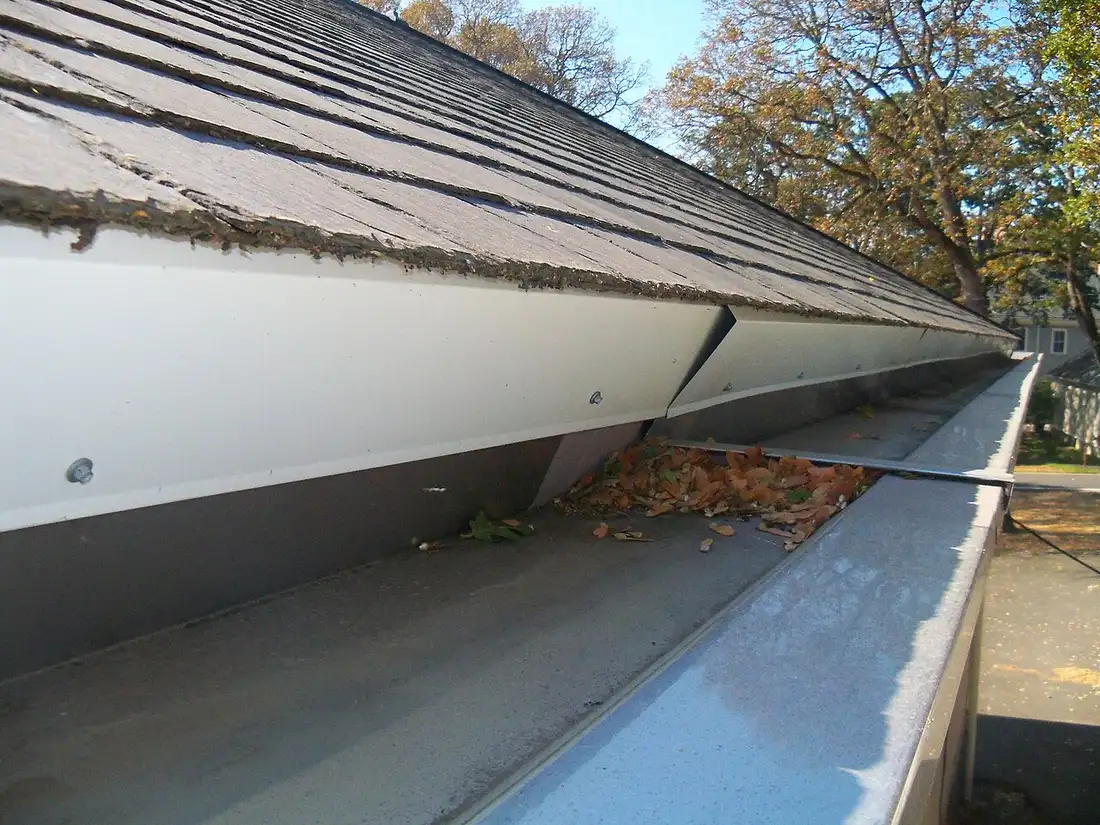
Driven rain finds the drainage story: valleys clear of the winter's debris, gutters and downspouts flowing, flat-roof drains and scuppers open. A valley dammed with leaves pours its water sideways under the courses above it; a blocked drain turns a flat roof into a pond leaning on every seam. The debris that matters accumulated all winter - which is why the clearing belongs to spring, not to the first storm's eve.
Finish below the roof and above it. In the attic, look for daylight at penetrations, old stains that map past leaks, and any deck softness - going into the season knowing those addresses means a new stain is recognized as news. And the trees: dead limbs over the roof are storm-season penetrations waiting for their night, and calm-weather tree work is roof work. Tornado season adds one more line to the list - know your safe room, and keep the roofer's number beside the flashlight, not in a drawer you will search in the dark.
Ask roofers what the season's opening calls look like and the list barely changes: slopes whose seals died over winter letting go in the first outflow, leaks at vent flashings whose sealant split in the freeze, hail verdicts on roofs nobody had read in years, and valleys dammed with a winter of debris pouring water under the courses. None of these are storm damage in the true sense - they are calm-season findings the storm merely delivered.
The comforting half of that list: every item on it was small in March. The prep work in this guide is not a new invention each year; it is the same short list, and the homes that run it treat storm season as weather rather than as an annual emergency with a roof-shaped cause.
Flat roofs add drainage and seams: drains flow-tested, ponding mapped, lap joints probed before the downpour season leans on them for hours at a time. Metal roofs add the fastener walk - backed-out screws reset before the wind season starts asking questions at full volume.
Tall-tree properties add the hardest prep conversation: the dead limb over the roof is a penetration on a schedule the storm chooses. Calm-season tree work feels optional every year until the one year it was not, which is precisely the arithmetic prep exists to beat.
Tornado damage has a geography that ordinary storm damage does not. The visible path is only the center of the story: violent, shifting gusts and debris rain extend well beyond it, and roofs blocks away carry lifted sections, broken seals and embedded debris while looking, from the street, like survivors. The scope that starts from the path map instead of the roof map will miss most of what the storm actually did.
That is the service side of this guide's subject. When you are ready, the Tornado Damage Repair page carries the process, the coverage by neighborhood and the number to call.
Tabs that release by hand are renewed or replaced before the wind does its own test.
Split sealant, open seams and tired flashing joints resealed while they are dry-weather jobs.
Valleys, gutters, downspouts, drains and scuppers flowing freely before the first cell builds.
Dead limbs over the roof removed in calm weather; dated ground photos of the roof filed for the season.
prep finished by early March, every year, like the furnace filter.
Walk the yard after prep and photograph the roof from all four sides - your before file.
a roofer's number, in the phone, before the season makes everyone busy.
After the first big storm, do the ground walk again and note anything new for the call list.
A booked storm-prep visit includes the full close read: seals lift-tested slope by slope, split sealant renewed, loose material refastened, valleys and drainage cleared and flow-checked, attic checked for old stains that predict new ones, and photographs of anything found.
What you receive is a short written summary - what was done, what was found, what can wait and what should not - so the season starts with the roof's condition as a document, not a hope.
A professional prep visit works the whole exam in order: seals lift-tested slope by slope, split sealant renewed, loose and creased material replaced, valleys and drainage cleared and flow-checked, flat-roof drains tested, metal fasteners walked, attic read for the stains that predict the season's first leaks. It ends with photographs and a short written summary - the roof's condition as a document before the weather starts grading it.
Treating survival of last season as this season's preparation.
Doing the yard work (gutters) and skipping the bond work (seals and fasteners).
Leaving dead limbs over the roof because they have not fallen yet.
Starting the photo file after the first storm instead of before it.
Storm season will bring the weather regardless; whether it brings a roofing emergency is largely decided in the six weeks before it. The prep visit is an hour of a roofer's March against a summer of your ceilings - book it while the sky is still quiet and the schedule still has room.
There is no honest per-square price for a new roof, because the quote is built from your roof's measured facts - and two roofs on the same street can differ by multiples.
Read the GuideThe same roof lasts years less in Oklahoma than in a calm climate - hail seasons, plains wind and summer heat spend a roof's life faster than rain ever will.
Read the GuideLate February into March is the working window: winter's damage is readable, the severe season has not peaked, and roofers' calendars still have room. Prep done in May is prep done between storms.
Surviving is last year's grade on last year's condition. Seals age, trees grow, hail accumulates - the prep is an hour of checking precisely because most years it finds little. The year it finds the failed slope is the year it pays for the decade.
The seal and fastening check on shingle roofs - the lift test. Wind is the most frequent storm force here, and it collects exclusively on failed bonds. Drainage runs a close second, and on flat roofs it is first.
Ground-level prep - photos, yard checks, gutter outlets, attic reading - is safe and valuable. Slope work involves the lift tests, sealing and refastening that decide outcomes, and it belongs to people with the ladders, footwear and insurance for it.
One call connects you with a roofing professional serving Oklahoma City and the surrounding communities - inspection, repair, replacement and upkeep.
📞 Call Now