Roof Replacement Through the Oklahoma City Year
Fall is the repair window. The severe season is past, the weather turns calm and cooler, and there is time to fix what the storms found, replace what the hail retired, and get a roof ready for winter. It is also when honest assessments happen, because a dry, cool roof shows its true condition to an inspector.
Spring is storm season in Oklahoma City, and it is roof season too. From March into June, peaking in May, supercell thunderstorms roll off the plains with hail, driving rain, damaging wind and the tornado risk the month is known for. The roofs that get inspected before the season are the ones that come through it quietly - a spring inspection of fasteners, sealant, edges and drainage is the single most valuable appointment on the Oklahoma City roof calendar.
Summer splits in two: the storm tail of June and early July, when late cells still drop hail on the metro, and the long bake that follows, when roof surfaces on a July afternoon run far hotter than the air and shingles soften, coatings cure and age, and attic heat builds under every dark slope. Most hail damage is discovered in summer - the storm did the work in spring, and the leaks report when the shrink-swell of hot days opens them up.
Roof Replacement in Depth
A replacement is the one roofing job that resets every clock at once - surface, underlayment, flashing, fastening - which is why its timing matters so much. Done a few years early, it merely trades a short remainder of old-roof life for a long new one. Done a storm too late, it arrives after water has taxed the deck, the insulation and the ceilings, and part of the budget goes to repairing the house instead of roofing it.
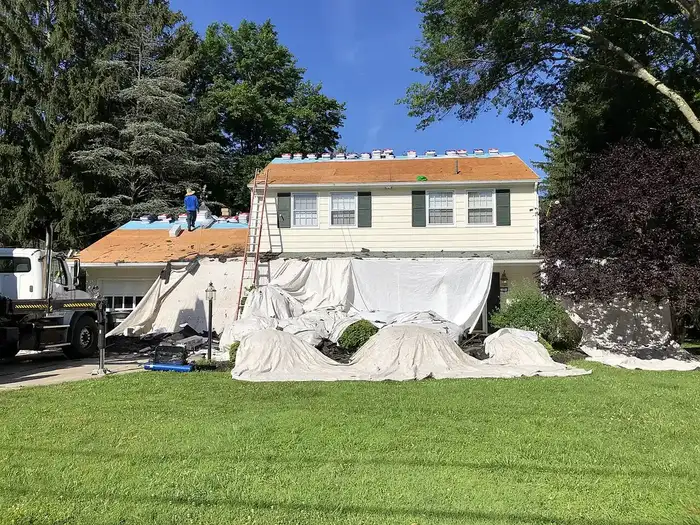
The tear-off deserves its reputation as the honest moment. Every hidden thing the old roof was concealing - soft decking at the eaves, rusted flashing, the patched-over shortcuts of earlier decades - stands revealed in one morning, and the crew's response to that morning tells you who you hired. Photograph it, ask about it, keep the record: the deck your new roof stands on is the one part of the job you will never see again.
Choosing the Right Help
Choose a replacement crew on the tear-off: ask what happens when the deck turns out soft, how the findings get documented, and who decides the deck repairs. Ask about the weather window and what closes the roof each night. The answers reveal whether you are hiring a system - measurement, deck work, drainage, finish - or just a surface with a warranty card.
The Climate Behind It
Oklahoma City sits in the heart of the southern plains, where the Canadian River - renamed the Oklahoma River through the city - crosses Tornado Alley itself. The roof calendar here is written by spring supercells with large hail and damaging wind, by summers hot enough to soften shingle asphalt for weeks at a stretch, and by winters that swing from mild days to ice storms. An Oklahoma City roof is not tested by one climate - it is tested by all of them, in turns, every year.
Hail is the signature threat. Central Oklahoma sits in the part of the country where hailstones reach golf-ball size and larger with some regularity - the May 2010 hailstorm alone worked over roofs across the whole metro in a single afternoon. Bruised, cracked and granule-stripped shingles may not leak the week after a storm; they fail across the following seasons, which is why hail here is an inspection question before it is a repair question.
How Roof Replacement Works
Measure and inspect first
The roofer measures the roof, inspects the surface and attic side, and identifies the decking, drainage and flashing details the new roof has to handle.
Choose the system for the house
Material follows the roof you have and the exposure you live with - shingle, metal or a flat system - with honest service-life math for Oklahoma weather, including impact-resistant options where hail rules.
Tear off and repair the deck
Old layers come off, the deck is inspected board by board, and damaged sections are replaced before anything new goes down.
Build the new roof as a system
Underlayment, flashing, drainage and surface go on as one assembly, finished with a walk-through of what was found and done.
Doing It Yourself vs a Professional
The DIY Route
- Adding another layer over a worn roof hides deck damage and shortens the new layer's life
- A tear-off without deck repair puts a new surface over soft spots that will telegraph through
- Choosing material by looks alone ignores the hail and wind realities of this metro
VS
The Professional Route
- Full tear-off with the deck inspected and repaired before the new system goes on
- System matched to the house's exposure - hail side, wind side, drainage path
- Scheduled into a dry weather window, with the roof never left open to a storm
Keep It From Coming Back
A new roof's worst enemy is the assumption that it needs nothing. The habits below protect the investment from its first year - and the first year's paperwork and photos become the baseline every later inspection compares against.
- Get the replacement scoped in fall or a calm spring stretch, not during storm-season emergencies.
- Ask what the tear-off found - photos of the deck are part of an honest job.
- Confirm how water leaves the new roof: valleys, gutters, slope and drains.
- Keep the paperwork: material, dates and scope, for insurance and resale files.
- Plan the first inspection a year after replacement, then yearly.
- Budget the upkeep with the roof: seals and edges are part of owning it.