After the Storm: Documenting Roof Damage in Oklahoma County
Storm evidence fades on a schedule of weeks: granules wash, creases settle, debris gets hauled - and undocumented damage becomes undecidable damage.
Read the Guide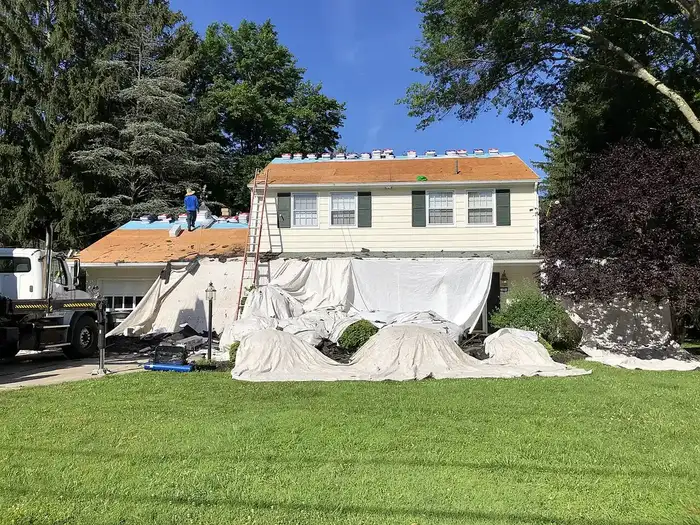
There is no honest per-square price for a new roof, because the quote is built from your roof's measured facts - and two roofs on the same street can differ by multiples.
Problem: There is no honest per-square price for a new roof, because the quote is built from your roof's measured facts - and two roofs on the same street can differ by multiples.
Solution: Compare quotes on a written scope checklist: squares measured, layers off, underlayment, flashing, valleys, ventilation, deck-repair terms, material by name and class.
When to call: Call for a measured inspection when replacement is on the table - the scope document is what makes every quote readable.
Every homeowner pricing a roof asks the same question - what will it cost? - and every honest roofer gives the same unwelcome answer: it depends on the roof. This guide explains what it depends on, factor by factor, so that when quotes arrive you can read them like documents instead of comparing them like lottery tickets. No directory can print your roof's price; what it can do is hand you the factor list that decides it.
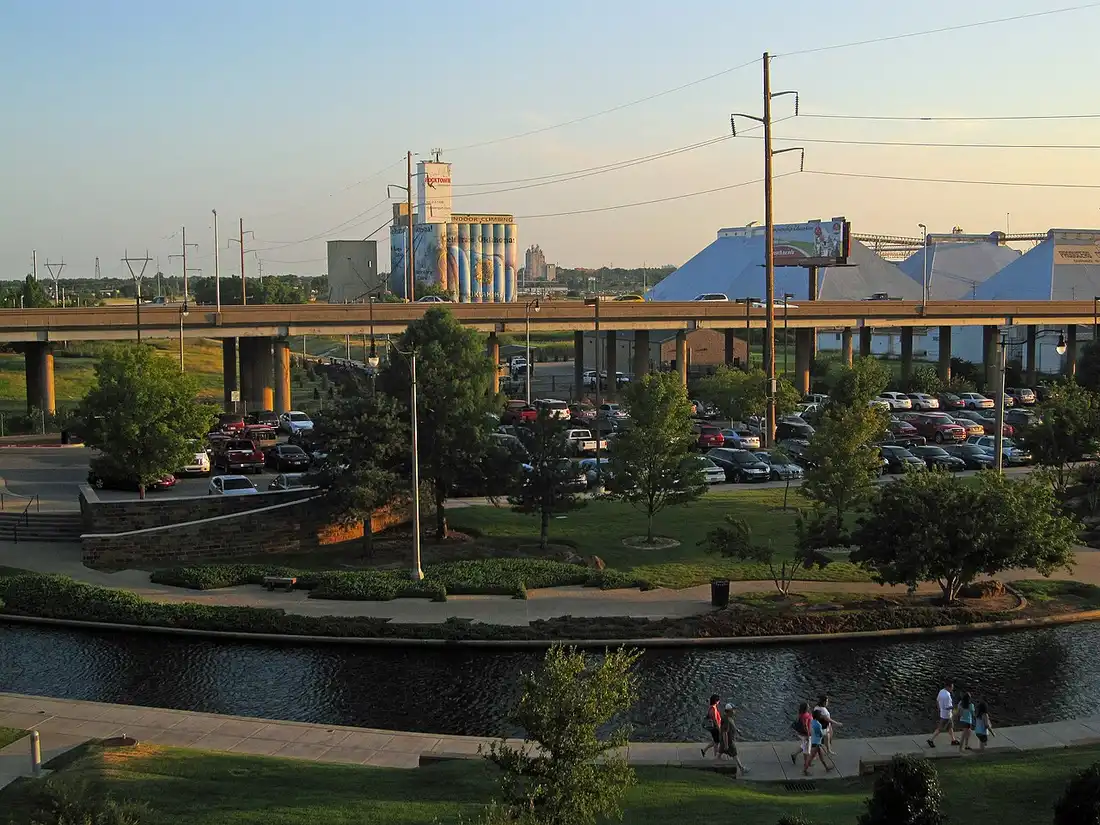
Oklahoma City sits in the heart of the southern plains, where the Canadian River - renamed the Oklahoma River through the city - crosses Tornado Alley itself. The roof calendar here is written by spring supercells with large hail and damaging wind, by summers hot enough to soften shingle asphalt for weeks at a stretch, and by winters that swing from mild days to ice storms. An Oklahoma City roof is not tested by one climate - it is tested by all of them, in turns, every year.
It starts with geometry: the roof's measured area, its pitch, and its complexity - hips, valleys, dormers and penetrations each add labor and detail material. Then the hidden geometry: how many old layers must come off, and what the tear-off finds in the deck - sound boards, or soft sections at eaves and valleys that must be replaced before anything new goes down.
Material class is the visible factor: standard architectural shingles, the impact-resistant class, metal systems, or low-slope assemblies each carry their own scope. Around them sit the detail lines that separate real scopes from thin ones - underlayment type, eave and valley protection, flashing renewal, drip edge, and attic ventilation correction. Every line is a real cost with a real consequence when omitted.
This metro adds local weight to the list. Hail history decides the class conversation - whether the replacement resets the same countdown or changes it with impact resistance. Storm timing decides the calendar: scopes written from a calm-season inspection, for work in a dry window, are better documents than scopes written from a ladder in a storm queue.
Access and height finish the practical list: two-story growth-edge homes, steep historic roofs and tight inner-city lots all change the labor picture. None of these factors is padding; each is a measurable property of your specific roof - which is precisely why a price quoted without measuring is not a price at all.
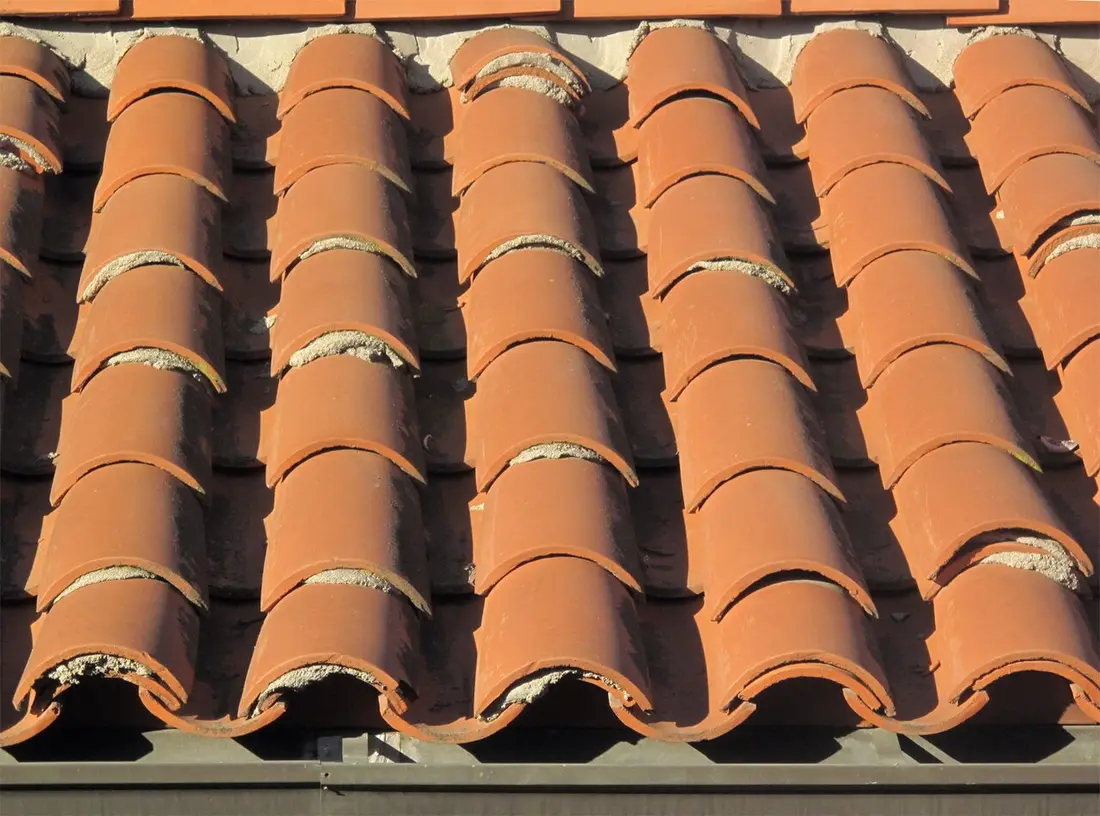
Lay competing quotes side by side and read for the invisible number: the work each one omits. Missing flashing renewal, skipped ventilation correction, deck repairs left to 'we'll see' - omissions do not vanish; they return as change orders mid-job or as failures inside the new roof's first years. The apparently expensive quote is often the honest one once the omissions are priced back in.
The defense is a written scope checklist requested from every quoter - measured squares, layers off, underlayment, flashing treatment, valley and drip-edge work, ventilation, deck-repair terms, disposal, and the material by name and class. Quotes that answer the whole list can be compared. Quotes that will not answer it have told you their invisible number is large.
Every replacement quote contains a visible number and an invisible one: the price of the work described, and the price of the work omitted. Missing flashing renewal, skipped ventilation correction, deck repairs left to 'we'll see' - the omissions do not vanish; they return as change orders mid-job or as failures inside the new roof's first years. Comparing quotes without surfacing the invisible number is how the apparently expensive quote turns out to have been the honest one.
The cleanest defense is a written scope checklist requested from every quoter: measured squares, layers off, underlayment type, flashing treatment, valley and drip-edge work, ventilation, deck-repair terms, disposal, and the material class by name. Nine lines. Quotes that answer all nine can be compared; quotes that will not answer them have told you their invisible number is large.
Oklahoma City adds a factor calm-climate guides omit: the replacement decision here is partly a storm decision. Choosing the standard class resets the same hail countdown the old roof just finished; choosing impact resistance changes the next decade's expected repair bills. Neither answer is automatic - the street's hail record and your years-in-this-home horizon decide - but a local quote conversation that never mentions hail is missing the local variable entirely.
Timing is the other local factor: scopes written from a calm-season inspection, for work in a calm window, are simply better documents than scopes written off a ladder in a storm queue. When the roof's condition allows waiting for the window, the wait is worth money and quality both.
A replacement is the one roofing job that resets every clock at once - surface, underlayment, flashing, fastening - which is why its timing matters so much. Done a few years early, it merely trades a short remainder of old-roof life for a long new one. Done a storm too late, it arrives after water has taxed the deck, the insulation and the ceilings, and part of the budget goes to repairing the house instead of roofing it.
That is the service side of this guide's subject. When you are ready, the Roof Replacement page carries the process, the coverage by neighborhood and the number to call.
Scope follows evidence: surface grades, deck state, drainage and detail counts.
Standard versus impact-resistant versus metal, weighed against your street's storm history.
Nine written lines, requested from every quoter, so totals compare like with like.
Price the missing lines back in; the readable quote wins on arithmetic, not on salesmanship.
Get every quote on the same nine-line scope checklist so totals can be compared.
Ask each quoter how deck findings are priced before the tear-off begins.
Confirm flashing, valley and ventilation treatment in writing - the invisible lines.
Divide price by honest Oklahoma service years for each material before choosing.
A replacement scope you can rely on states the measured area and pitch, layers to be removed, deck-repair terms, underlayment and eave protection, flashing and valley treatment, ventilation work, the material by name and class, and disposal.
Anything not stated is not included - that is the rule that makes competing scopes readable and the eventual job unsurprising.
A professional quote is a measured document before it is a number: the roof measured, layers counted, deck and drainage findings priced by stated terms, underlayment and flashing specified, ventilation addressed, and the material named by product and class. It invites the nine-line comparison because its invisible number is small - and it explains, factor by factor, where every part of the total comes from.
Comparing totals without comparing scopes - the omissions win every time.
Accepting a per-square figure as a budget for an unmeasured roof.
Leaving deck-repair pricing to 'we'll see' at tear-off time.
Choosing on total alone instead of total divided by honest local service years.
No directory can honestly print your roof's price, and any that does is selling something other than accuracy. What you can own is the factor list and a measured scope - with those two, every quote becomes readable and the decision becomes yours in fact, not just in form.
Storm evidence fades on a schedule of weeks: granules wash, creases settle, debris gets hauled - and undocumented damage becomes undecidable damage.
Read the GuideStorm season does not damage sound roofs - it finds the damage the calm months already did, and delivers hail, violent wind and driven rain to every weak point at once.
Read the GuideBecause the unit hides the variables: pitch, layers, deck state, flashing count and material class move the true job by multiples between two roofs of identical footprint. A per-square figure is a guess wearing a uniform - the measured scope is the price.
The invisible lines: flashing renewal, ventilation correction, deck-repair terms, disposal, sometimes underlayment class. Each omission returns later as a change order or an early failure. Ask what is NOT included; the answer is the comparison.
It changes both sides of it: a larger scope today, against a different expected repair story across the next decade of hail seasons. Your street's hail record and your years-in-home horizon decide whether the trade favors you - the inspection file holds both inputs.
The calm windows - fall and early spring - offer the scheduling room for careful work and honest scopes. Storm-season replacements happen under queue pressure. When the roof's condition allows waiting for the window, the wait is worth quality even where it is not worth money.
One call connects you with a roofing professional serving Oklahoma City and the surrounding communities - inspection, repair, replacement and upkeep.
📞 Call Now