Emergency Roof Repair Through the Oklahoma City Year
Oklahoma City winters swing: bright mild weeks, then an ice storm or a hard cold snap. The December 2007 and October 2020 ice storms loaded trees and roofs across the metro in a single night each. Water that works into a crack or under a lifted shingle by day can freeze and widen it by night, and ice dams form at the eaves of poorly insulated homes. Winter is inspection and planning season here - the roofs read in winter get fixed in spring, ahead of the storms.
Fall is the repair window. The severe season is past, the weather turns calm and cooler, and there is time to fix what the storms found, replace what the hail retired, and get a roof ready for winter. It is also when honest assessments happen, because a dry, cool roof shows its true condition to an inspector.
Spring is storm season in Oklahoma City, and it is roof season too. From March into June, peaking in May, supercell thunderstorms roll off the plains with hail, driving rain, damaging wind and the tornado risk the month is known for. The roofs that get inspected before the season are the ones that come through it quietly - a spring inspection of fasteners, sealant, edges and drainage is the single most valuable appointment on the Oklahoma City roof calendar.
Emergency Roof Repair in Depth
The first hour of a roof emergency has its own order: stop the water, protect the people, document everything, commit to nothing permanent yet. Tarps go on weighted and strapped rather than nailed through sound material; ceilings holding water get relieved before they fall; the camera comes out before the ladder does. Crews that keep that order protect both the house and the homeowner's options.
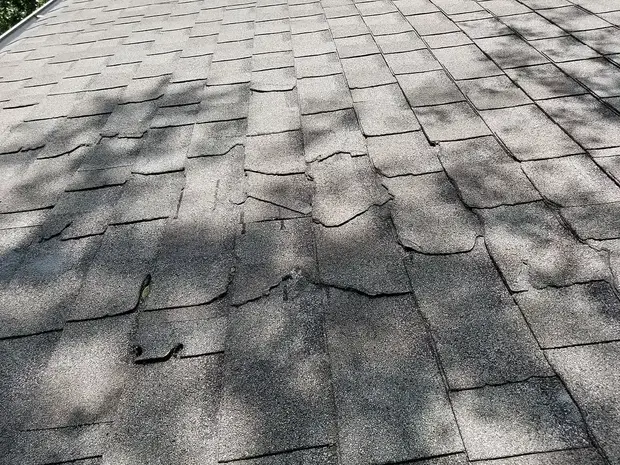
The second act matters just as much. Storm-opened roofs keep drinking water at every later rain until they are permanently rebuilt, and hidden damage - wet insulation, cracked decking under unbroken-looking shingle - does not announce itself. The follow-up inspection after the covering, in dry daylight, is what converts an emergency from a recurring subscription into a closed chapter.
Choosing the Right Help
In an emergency, choose the crew that talks about order: safety, covering, documentation, then scope. Beware the mid-storm hard sell of a permanent contract while water is still coming in - the covering is urgent, the contract is not, and any roofer who conflates them is telling you how the rest of the relationship will go.
The Climate Behind It
Oklahoma City sits in the heart of the southern plains, where the Canadian River - renamed the Oklahoma River through the city - crosses Tornado Alley itself. The roof calendar here is written by spring supercells with large hail and damaging wind, by summers hot enough to soften shingle asphalt for weeks at a stretch, and by winters that swing from mild days to ice storms. An Oklahoma City roof is not tested by one climate - it is tested by all of them, in turns, every year.
Hail is the signature threat. Central Oklahoma sits in the part of the country where hailstones reach golf-ball size and larger with some regularity - the May 2010 hailstorm alone worked over roofs across the whole metro in a single afternoon. Bruised, cracked and granule-stripped shingles may not leak the week after a storm; they fail across the following seasons, which is why hail here is an inspection question before it is a repair question.
How Emergency Roof Repair Works
Make the house safe first
Power and water risks assessed, sagging ceilings relieved from below where safe, and the room under the damage cleared.
Document before covering
Dated photographs of the damage, the debris and the interior - taken before tarps hide the evidence the claim will need.
Cover and dry in
Tarps weighted and strapped (not nailed through sound material), or temporary underlayment - a weather-tight cover that holds until permanent work.
Scope the permanent repair in daylight
A dry inspection maps the full damage - including what the storm hid - and sets the real repair or replacement scope.
Doing It Yourself vs a Professional
The DIY Route
- Climbing a wet, storm-damaged roof at night trades a roof problem for a hospital problem
- Nailing a tarp through sound shingles creates the next round of leaks while covering this one
- Skipping the photos in the rush erases the evidence the whole claim stands on
VS
The Professional Route
- Works the order: safety, documentation, covering, then scope
- Covers without wounding the sound material around the damage
- Returns in daylight to map hidden damage before any permanent scope is set
Keep It From Coming Back
Emergencies cannot be scheduled, but they can be prepared for. The steps below are the difference between a storm that costs a tarping and a storm that costs a season - most of them take minutes, in calm weather, before they are ever needed.
- Keep the number for storm help saved in your phone before storm season, not after.
- Photograph your roof from the ground each spring - the before file every post-storm claim wants.
- Have dead limbs over the roof removed in calm seasons; tree work is cheaper than roof work.
- Know where your attic hatch is and keep it reachable.
- After any storm opening, keep every receipt and photo in one folder - paper and digital.
- Never sign a permanent-work contract in the first hours; the covering is urgent, the contract is not.