Metal Roofing Through the Oklahoma City Year
Fall is the repair window. The severe season is past, the weather turns calm and cooler, and there is time to fix what the storms found, replace what the hail retired, and get a roof ready for winter. It is also when honest assessments happen, because a dry, cool roof shows its true condition to an inspector.
Summer splits in two: the storm tail of June and early July, when late cells still drop hail on the metro, and the long bake that follows, when roof surfaces on a July afternoon run far hotter than the air and shingles soften, coatings cure and age, and attic heat builds under every dark slope. Most hail damage is discovered in summer - the storm did the work in spring, and the leaks report when the shrink-swell of hot days opens them up.
Oklahoma City winters swing: bright mild weeks, then an ice storm or a hard cold snap. The December 2007 and October 2020 ice storms loaded trees and roofs across the metro in a single night each. Water that works into a crack or under a lifted shingle by day can freeze and widen it by night, and ice dams form at the eaves of poorly insulated homes. Winter is inspection and planning season here - the roofs read in winter get fixed in spring, ahead of the storms.
Metal Roofing in Depth
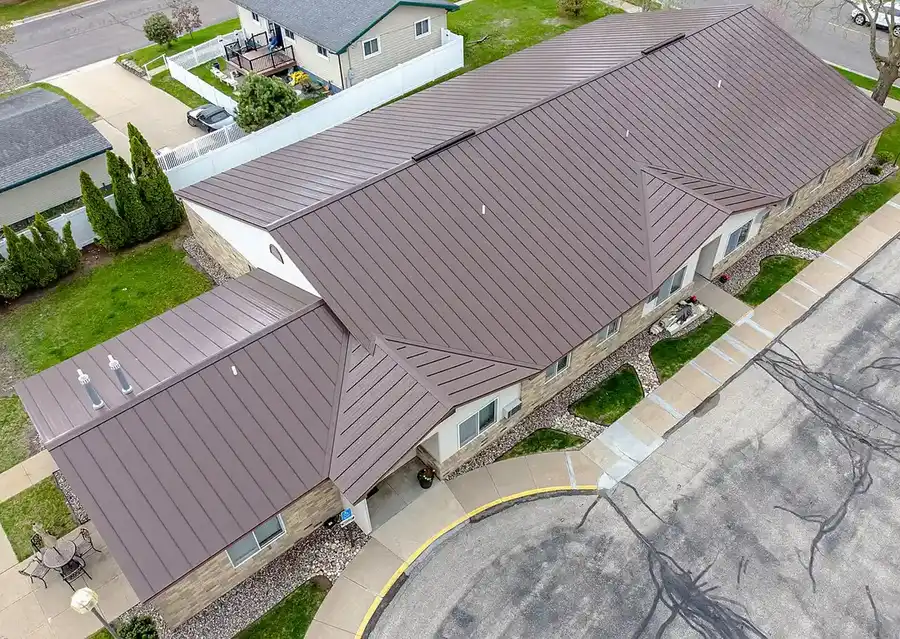
Metal roofing rewards owners who think in systems. The panels are the visible half; the clip-and-fastener engineering underneath is the working half, absorbing daily movement and storm loads for decades. The failures that end metal roofs early are almost never panel failures - they are fastener schedules skipped, sealant left to split, a repair detail that pinned a moving panel tight and tore it open over seasons.
It is also the roof that changes a home's relationship with its site. On the metro's open lots, metal's wind fastening and hail shrug answer the two forces that define those addresses. In town, its reflective finishes cut the heat load that dark roofs pour into attics through Oklahoma summers. Metal keeps gaining here because it answers the local questions, not just the aesthetic ones.
Choosing the Right Help
Choose metal help on movement talk: clips, fastener schedules, expansion details. A roofer who explains how the system is allowed to move - and what the fastener renewal at mid-life looks like - is describing a roof that will last. One who treats metal like plywood with a nicer finish is scheduling its problems.
The Climate Behind It
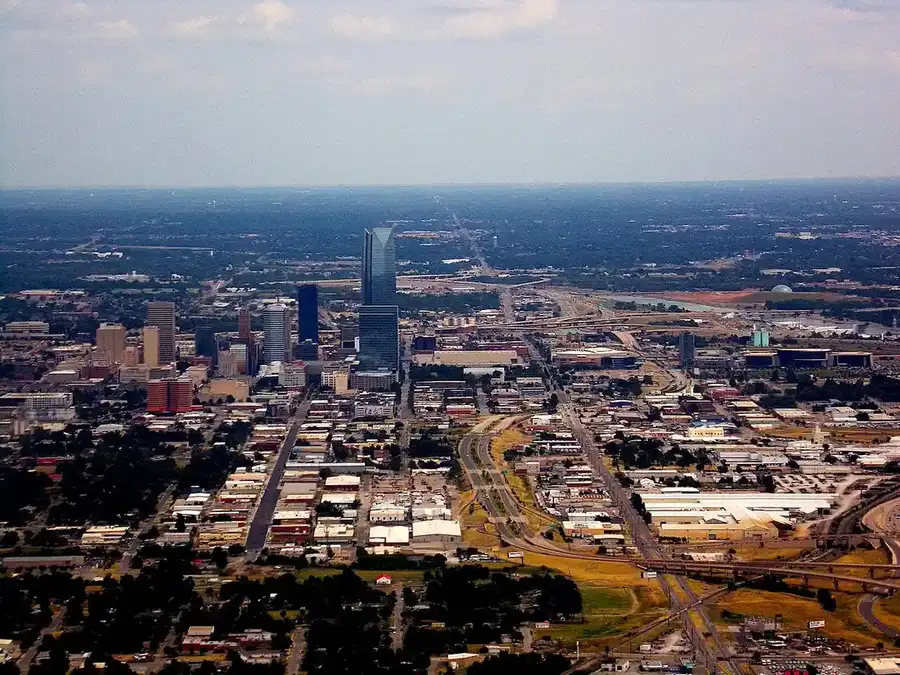
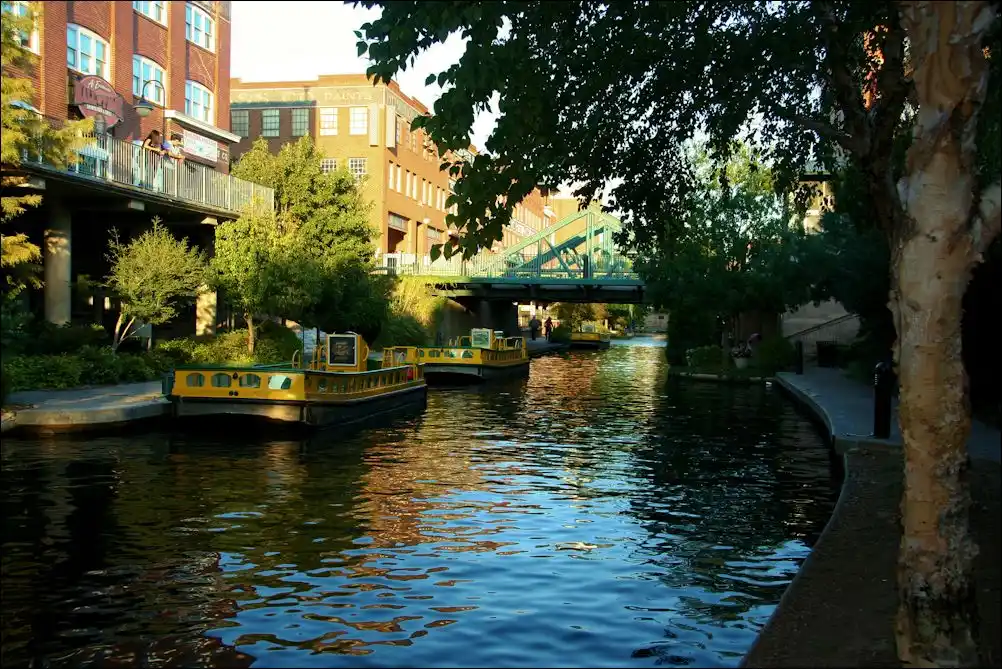
Oklahoma City sits in the heart of the southern plains, where the Canadian River - renamed the Oklahoma River through the city - crosses Tornado Alley itself. The roof calendar here is written by spring supercells with large hail and damaging wind, by summers hot enough to soften shingle asphalt for weeks at a stretch, and by winters that swing from mild days to ice storms. An Oklahoma City roof is not tested by one climate - it is tested by all of them, in turns, every year.
Hail is the signature threat. Central Oklahoma sits in the part of the country where hailstones reach golf-ball size and larger with some regularity - the May 2010 hailstorm alone worked over roofs across the whole metro in a single afternoon. Bruised, cracked and granule-stripped shingles may not leak the week after a storm; they fail across the following seasons, which is why hail here is an inspection question before it is a repair question.
How Metal Roofing Works
Audit the fastening first
Fastener state sampled across the roof - backed-out, missing, over-driven - and seam and lap condition read panel run by panel run.
Renew the moving joints
Split sealant replaced with the right flexible products, boots and trim details renewed, fasteners reset or upgraded on schedule.
Correct movement errors
Panels pinned where they should float get corrected before the seams tear themselves open over seasons.
Set the mid-life calendar
Fastener renewal and seal programs placed on the roof's schedule, so the next visit is planned rather than provoked.
Doing It Yourself vs a Professional
The DIY Route
- Tightening every screw as hard as it goes crushes washers and splits the seal it meant to save
- Sealing a moving seam with rigid product schedules its split for the next hot week
- Judging metal by the panels alone misses that its life is lived at the fasteners
VS
The Professional Route
- Talks movement first - clips, fastener schedules, expansion details
- Renews fasteners and seals as a system, with the right torque and products
- Sets the mid-life calendar in writing so the long promise gets kept
Keep It From Coming Back
Metal asks little, but what it asks is specific: watch the fasteners, respect the movement, touch up the finish. The habits below are the whole maintenance philosophy of a metal roof.
- Walk the fastener schedule - do not wait for leaks to announce backed-out screws.
- Keep sealant at laps and penetrations renewed on its cycle, not the roof's age.
- Touch up finish breaches promptly; small rust is a chore, spread rust is a panel.
- Never let anyone pin a floating panel tight as a 'fix' - movement is the design.
- Trim trees off metal roofs; sliding limbs score finishes and dent seams.
- Log fastener renewals with dates - the schedule is the roof's life plan.