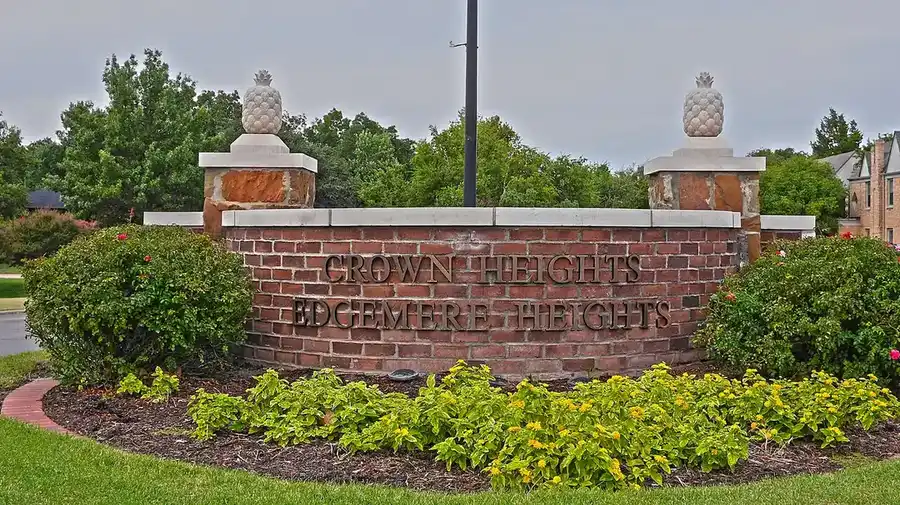
Roof Maintenance in Crown Heights
Roof Maintenance for Crown Heights homes - local conditions, a clear process, and one call to get it started.
The first five minutes of a visit in Crown Heights are all looking - seals, outlets, flashing, stains - because looking is what makes the rest of it work.
A maintained roof in Crown Heights is not a lucky roof. It is a roof whose owner treats it as an asset with a file: inspections on rhythm, renewals on schedule, small findings closed while they are small. This page is about that rhythm and what it includes.
Crown Heights is a gracious neighborhood of 1930s-1950s homes between Western Avenue and the historic districts, with the Western Avenue shopping corridor at its edge. Brick and stone homes stand on curving, tree-lined streets.
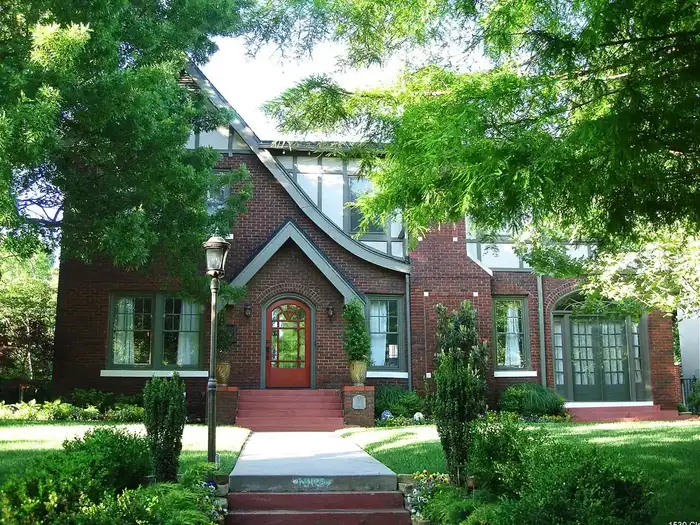
This part of the metro has its own version of every roof. 1930s-1950s brick and stone homes - Tudors, colonials and ranches - with steep and moderate shingle roofs - and that shapes the roofing work directly. Well-built older roofs with older questions: layered shingle histories, brick chimney flashing at the end of its seal life, and hail wear showing first on the south slopes. For roof maintenance in Crown Heights, an hour of scheduled looking here beats a season of emergency calls.
The conversation at the door in Crown Heights usually starts with weather: the hail in April, the wind in March, the winter the seams complained. roof maintenance here is weather work, and the roof near the Western Avenue corridor and Crown Heights' 1930s streets is examined as a record of every season it has stood through - because that record is exactly what it is.
Signs Crown Heights Homes Need Roof Maintenance
A few lifted or loose shingles
Individual failed seals invite the wind to start a section.
Coating chalking or seams opening on flat roofs
Flat systems renew in cycles; chalk and open laps are the calendar announcing itself.
Granules collecting faster at outlets
Rising granule flow is the surface reporting wear - a maintenance read grades whether it is age or hail.
Why This Work Runs in Crown Heights
The documentation dividend matters here too. In a metro where claims turn on a roof's condition before the storm, a maintenance file - dated visits, findings, renewals - is the difference between a roof documented as sound and a roof argued to be worn. The file is half the product.
Well-built older roofs with older questions: layered shingle histories, brick chimney flashing at the end of its seal life, and hail wear showing first on the south slopes. Tree canopy keeps valleys full of debris between storms.
In Crown Heights, that plays out street by street - and the calendar, once set, is the part of the job still working five years later. Local knowledge, Crown Heights edition: the hail track, the wind path and the storm calendar all vote on when this work is needed.
Fall is the repair window. The severe season is past, the weather turns calm and cooler, and there is time to fix what the storms found, replace what the hail retired, and get a roof ready for winter. It is also when honest assessments happen, because a dry, cool roof shows its true condition to an inspector.
Two things decide how much a visit accomplishes: access and honesty. Access means the roofer can reach the roof, the attic and both eaves. Honesty means the full history - the leak that only shows in hard rain, the hail from three springs ago, the repair from two owners back. With both, the first visit usually settles the diagnosis for good.
What the season gives the weather, the season also takes away - timing the work to that swing is most of what local experience means.
One more preparation that matters on the plains: tell the office about any solar panels, antennas or skylights on the roof. Rooftop equipment shapes inspection routes more than most homeowners expect.
How Roof Maintenance Works in Crown Heights
The full step-by-step process for this service - inspection, scope, the work itself and follow-up - is laid out on the main Roof Maintenance page. In Crown Heights the same sequence runs with the local map in hand: the drainage around the Western Avenue corridor and Crown Heights' 1930s streets, the housing pattern described above, and the exposure this neighborhood actually carries.
The Crown Heights Angle
Every neighborhood writes its own version of this work, and Crown Heights writes it around the Western Avenue corridor and Crown Heights' 1930s streets and the blocks that feed into it. The housing stock sets the inspection route. 1930s-1950s brick and stone homes - Tudors, colonials and ranches - with steep and moderate shingle roofs.
Layer the roofscape on top and the job defines itself. Well-built older roofs with older questions: layered shingle histories, brick chimney flashing at the end of its seal life, and hail wear showing first on the south slopes. Tree canopy keeps valleys full of debris between storms. Which is the whole method: read Crown Heights first, then do roof maintenance work that fits what the reading found.
Crown Heights does not sit alone on the map. It weathers the same storms as Heritage Hills, Nichols Hills and Belle Isle - the same cells cross the metro, the same wind works the same materials, and the same seasons move through all of them within the same few weeks. That shared geography is the argument for local pages and local visits - the map is the method.
On the route map, Crown Heights sits in the oklahoma city neighborhood group, ZIP 73118 - close enough to Heritage Hills, Nichols Hills that crews work them on the same runs. That local memory is the quiet advantage of route-based work in Crown Heights.
One pattern repeats across Crown Heights: the homes that call about roof maintenance from a plan - a date on the calendar, a renewal coming due - spend their money differently from the homes that call from a drip. Same roofs, same crews, same materials. The difference is entirely in which side of the weather the conversation happens.
Prevention That Helps in Crown Heights
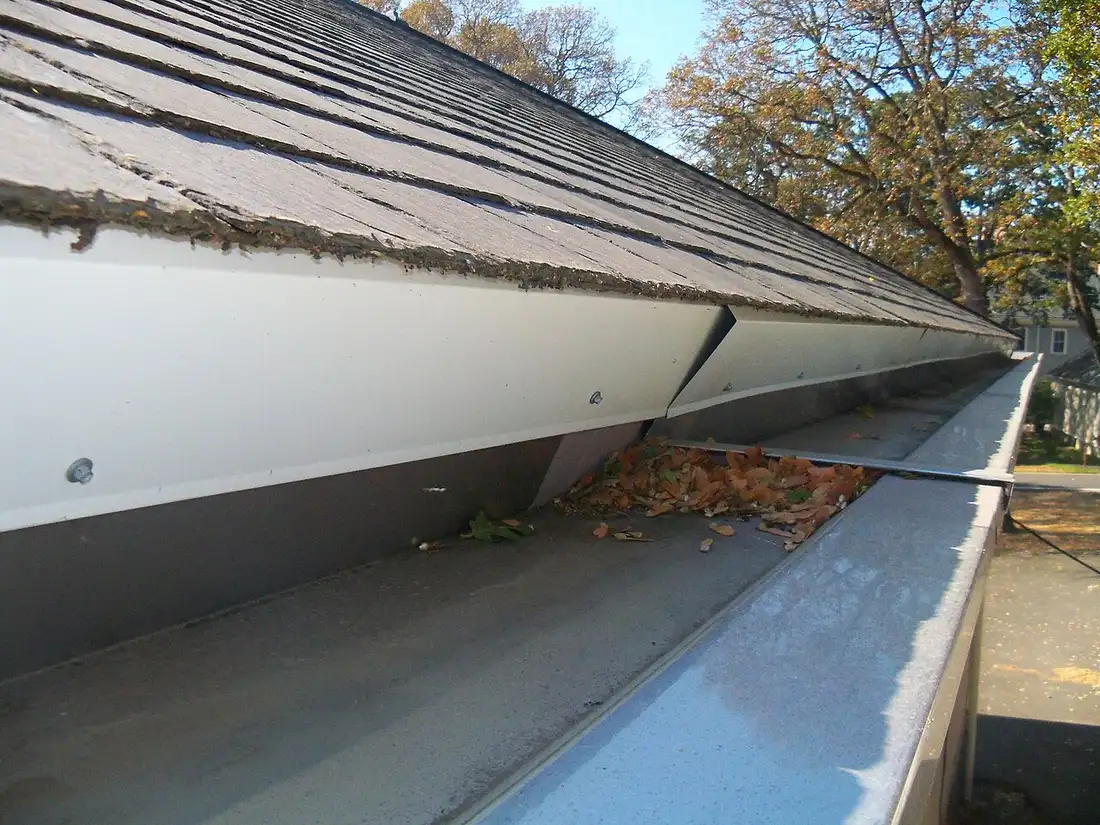
- Clear gutters and valleys after leaf fall and after every debris-dropping storm.
- Walk the perimeter after wind: a lifted edge seen early is a five-minute fix.
- Put the spring visit on the calendar the way you do the furnace check - same month, every year.
1930s-1950s brick and stone homes - Tudors, colonials and ranches - with steep and moderate shingle roofs.
Keep Exploring
Roof Maintenance nearby:
- Roof Maintenance in Heritage Hills
- Roof Maintenance in Nichols Hills
- Roof Maintenance in Belle Isle
- Roof Maintenance in Asian District
More services in Crown Heights:
- Emergency Roof Repair in Crown Heights
- Hail Damage Repair in Crown Heights
- Roof Repair in Crown Heights
- Roof Replacement in Crown Heights
See the full roofing page for Crown Heights and the Roof Maintenance overview for Oklahoma City.
Roof Maintenance in Crown Heights - Questions
Can maintenance really extend my Crown Heights roof's life?
Yes - it is the one variable fully in the owner's control. Drainage kept clear, seals renewed, fasteners kept, hail read early: each slows a specific clock. Maintenance cannot rescue a spent surface, but across a roof's life it routinely moves the replacement date by years.
Is maintenance worth it on an older Crown Heights roof?
Especially there - with a condition. On a sound older roof, maintenance buys real years. On a spent one, the honest maintainer tells you the surface is done and the money belongs in replacement planning. The inspection grade is what separates the two.
What should Crown Heights homeowners have ready before a Roof Maintenance visit?
Access and information. Clear the way to the roof access and the attic hatch, secure pets, and have the pattern written down - when it started, where it shows, and what the weather was doing. That five minutes of prep is worth a second visit.
Hail Marks on the Roof, Shingles in the Yard or a Leak Over the Living Room?
One call connects you with a roofing professional serving Oklahoma City and the surrounding communities - inspection, repair, replacement and upkeep.
📞 Call Now