Oklahoma City Roofing Services

Roof Maintenance in Oklahoma City, OK

Roof maintenance in Oklahoma City - the scheduled seals, drainage, fasteners and small repairs that keep storm seasons from becoming replacement seasons.

Wind is the second force, and it never fully leaves. Plains wind works at shingles, ridge caps, flashing and edges day after day, and storm outflows arrive with gusts that find every lifted tab and tired seal. Beyond that stands the tornado risk itself - the 1999 and 2013 paths through the southern metro are permanent local memory - and a roof's fastening, invisible from the street, is its real rating against all of it.

The housing stock matches the weather: asphalt shingles on most of the metro, from the historic districts near downtown to the newest suburbs, metal on acreage and outbuildings, low-slope and flat systems on mid-century homes and the commercial corridors. Each fails in its own Oklahoma way - hail for the shingles, fasteners for the metal, drainage for the flat roofs - and the pages here are organized around exactly that.

Signs You Need Roof Maintenance

Sealant cracking at vents and chimneys

Split seal rings are maintenance's home address - small now, a leak's entry next season.

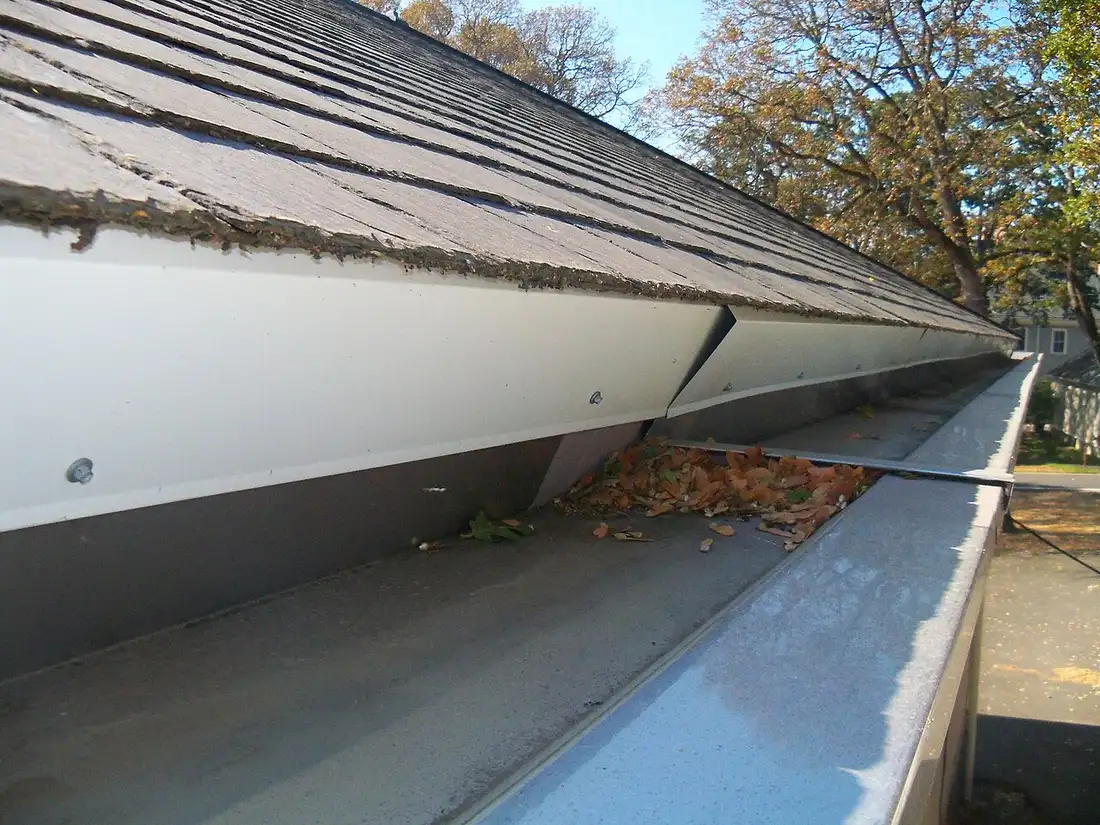
Debris sitting in valleys and gutters

Dammed water works sideways under courses and leans on seams; clearing it is the highest-value hour in roof care.

A few lifted or loose shingles

Individual failed seals invite the wind to start a section. Refastening early keeps it individual.

Granules collecting faster at outlets

Rising granule flow is the surface reporting wear - a maintenance read grades whether it is age or hail.

Coating chalking or seams opening on flat roofs

Flat systems renew in cycles; chalk and open laps are the calendar announcing itself.

It has simply been a year or more

In this climate the interval itself is a sign: seals, drainage and details all run on annual clocks here.

Why Roof Maintenance Is a Standing Job in Oklahoma City

Maintenance economics in Oklahoma City are storm economics. The failures that fill the emergency lists each spring - peeled sections, flashing leaks, dammed valleys - overwhelmingly trace to maintenance items that lapsed in the calm seasons. The storm collects; maintenance is how you prepay at the small rate.

The documentation dividend matters here too. In a metro where claims turn on a roof's condition before the storm, a maintenance file - dated visits, findings, renewals - is the difference between a roof documented as sound and a roof argued to be worn. The file is half the product.

Systems set the lists. Shingle roofs want seal and granule attention; metal wants fastener and seam schedules; flat roofs want drainage and coating cycles. A maintenance plan written for your system, not a generic one, is the difference between a rhythm and a ritual.

Roof Maintenance Through the Oklahoma City Year

Oklahoma City winters swing: bright mild weeks, then an ice storm or a hard cold snap. The December 2007 and October 2020 ice storms loaded trees and roofs across the metro in a single night each. Water that works into a crack or under a lifted shingle by day can freeze and widen it by night, and ice dams form at the eaves of poorly insulated homes. Winter is inspection and planning season here - the roofs read in winter get fixed in spring, ahead of the storms.

Spring is storm season in Oklahoma City, and it is roof season too. From March into June, peaking in May, supercell thunderstorms roll off the plains with hail, driving rain, damaging wind and the tornado risk the month is known for. The roofs that get inspected before the season are the ones that come through it quietly - a spring inspection of fasteners, sealant, edges and drainage is the single most valuable appointment on the Oklahoma City roof calendar.

Summer splits in two: the storm tail of June and early July, when late cells still drop hail on the metro, and the long bake that follows, when roof surfaces on a July afternoon run far hotter than the air and shingles soften, coatings cure and age, and attic heat builds under every dark slope. Most hail damage is discovered in summer - the storm did the work in spring, and the leaks report when the shrink-swell of hot days opens them up.

Roof Maintenance in Depth

Maintenance is the economics of small numbers. The items on a yearly list - sealant, drainage, a handful of fasteners or lifted tabs - are individually minor. Their compounding is not: each one defers a failure mode that costs many times its price. Over a twenty-year roof life, the maintained roof and the neglected roof are not the same roof at different ages; they are different financial stories entirely.

There is also the matter of proof. In a metro where hail and wind claims turn on the roof's condition before the storm, a maintenance file is the difference between a roof documented as sound and a roof argued to be worn. Insurers, buyers and future roofers all read the same file. Keeping it is part of the work, and the roofer who hands you dated records unprompted is telling you something about how they run the rest of the job.

Choosing the Right Help

Choose maintenance help on the list and the record: a written scope of what each visit covers, and dated documentation you keep. Vague 'we'll look it over' arrangements produce vague results. The right roofer treats your roof like a maintained asset with a file - because that file is half the value of the whole arrangement.

The Climate Behind It

Oklahoma City sits in the heart of the southern plains, where the Canadian River - renamed the Oklahoma River through the city - crosses Tornado Alley itself. The roof calendar here is written by spring supercells with large hail and damaging wind, by summers hot enough to soften shingle asphalt for weeks at a stretch, and by winters that swing from mild days to ice storms. An Oklahoma City roof is not tested by one climate - it is tested by all of them, in turns, every year.

Hail is the signature threat. Central Oklahoma sits in the part of the country where hailstones reach golf-ball size and larger with some regularity - the May 2010 hailstorm alone worked over roofs across the whole metro in a single afternoon. Bruised, cracked and granule-stripped shingles may not leak the week after a storm; they fail across the following seasons, which is why hail here is an inspection question before it is a repair question.

How Roof Maintenance Works

Start with the graded inspection

The maintenance calendar is built from the roof's actual grades - what is due now, what is due this year, what gets watched.

Work the standing list

Sealant renewal at penetrations, lifted material refastened, valleys and drainage cleared and flow-checked, small repairs closed.

Renew on the system's cycle

Fastener sets on metal, coating renewals on flat assemblies, seal programs on shingles - scheduled by system, not by symptom.

Leave the record behind

Every visit documented with dates and photographs, so the roof's file grows and the next visit starts from knowledge.

Doing It Yourself vs a Professional

The DIY Route

  • Skipping years because the roof 'looks fine' misses that seals and fasteners fail invisibly first
  • Clearing gutters while ignoring the sealant rings leaves the most common leak entries open
  • A maintenance visit with no written record forfeits the file that proves the roof was kept
VS

The Professional Route

  • Works from a written per-system list and leaves dated documentation you keep
  • Schedules renewals by the system's cycles, not by when failures force them
  • Reports 'nothing due' honestly when the roof earns it

Keep It From Coming Back

Half of maintenance happens between the roofer's visits, in the owner's own habits. The list below is that half: small, regular, and worth more than any single product that goes on the roof.

  • Put the spring visit on the calendar the way you do the furnace check - same month, every year.
  • Clear gutters and valleys after leaf fall and after every debris-dropping storm.
  • Walk the perimeter after wind: a lifted edge seen early is a five-minute fix.
  • Keep trees trimmed back off the roof line; rubbing limbs wear surfaces and drop debris.
  • Log every visit and renewal in the roof file - future you, buyers and insurers all read it.
  • Never let a 'small' finding ride through storm season unexamined.
Roof Maintenance in the Surrounding Communities

The communities around Oklahoma City share its hail tracks and its tornado paths - with their own twists of storm history, acreage and open-country wind.

Roof Maintenance in Edmond

Edmond is Oklahoma City's northern anchor suburb, a fast-growing city around the University of Central Oklahoma and Arcadia Lake. Historic downtown blocks, established neighborhoods like Oak Tree, and wave after wave of new subdivisions define it.

Roof Maintenance in Moore

Moore is the Cleveland County city between Oklahoma City and Norman whose name is known worldwide for two storms: the May 3, 1999 tornado and the May 20, 2013 EF5 that crossed its neighborhoods. The city rebuilt both times with determination, and its subdivisions - old and rebuilt - stand along those documented paths.

Roof Maintenance in Norman

Norman is the Cleveland County seat and home of the University of Oklahoma, the National Weather Center and the National Severe Storms Laboratory - the science of the very storms that cross it. Campus Corner, historic neighborhoods and Lake Thunderbird at its edge round out the city.

Roof Maintenance in Yukon

Yukon is Canadian County's Czech capital, famous for its Czech Festival, its milling heritage and a Route 66 Main Street, and known as singer Garth Brooks's hometown. Older neighborhoods anchor the center while subdivisions spread toward Mustang and the lake.

Where Roof Maintenance Is Needed Most

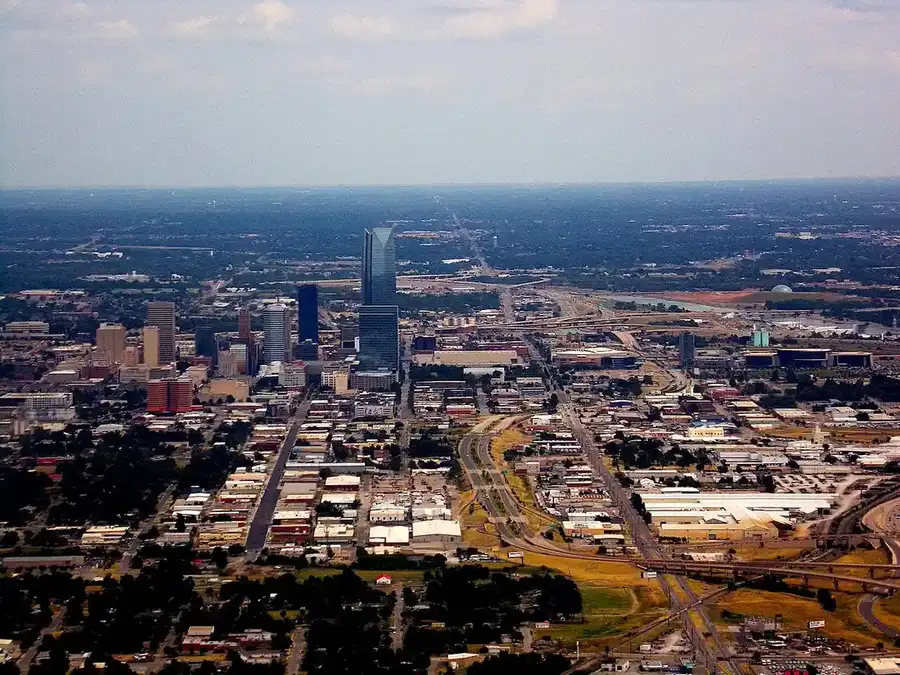
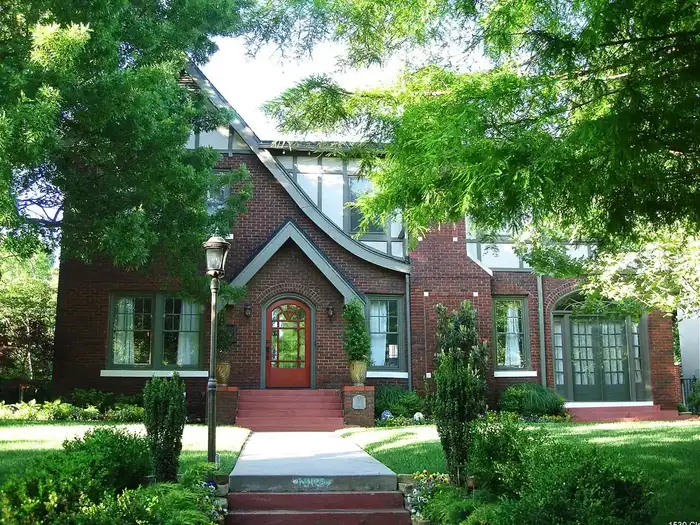
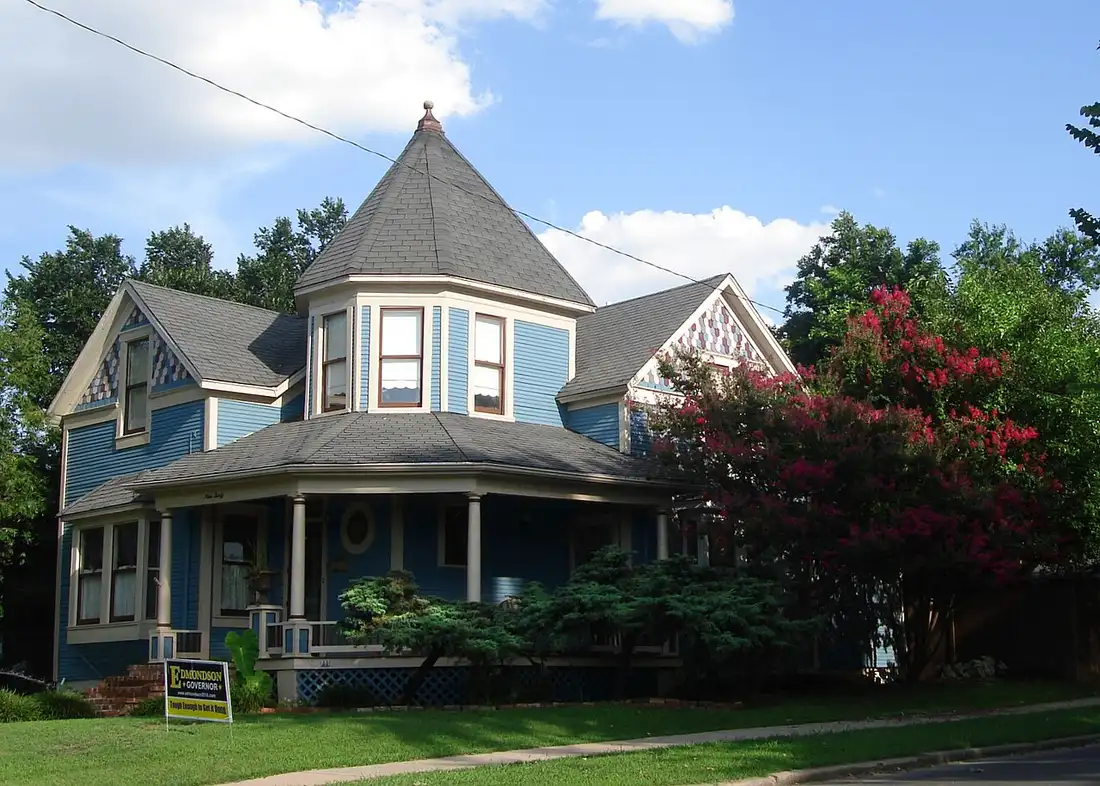
In the historic core and the inner districts - Downtown Oklahoma City, Bricktown, Midtown, Heritage Hills, Mesta Park and Paseo Arts District, Uptown 23rd, Plaza District, Crown Heights, Nichols Hills - the housing runs from Oklahoma City's oldest homes to its grandest, and roof maintenance follows the storm record: hail-read shingles on the older streets, steep complex roofs on the historic homes, and wind exposure that grows toward the open edges.

Across the north and south sides and the inner suburbs - The Village, Quail Creek, Belle Isle, Stockyards City, Capitol Hill, Northeast Oklahoma City and Southwest Oklahoma City, Northwest Oklahoma City, South Oklahoma City, Warr Acres, Deer Creek, Asian District - sit the subdivision waves of the postwar decades onward, the growth-edge neighborhoods and some of the metro's busiest hail tracks, which together make this the steadiest roof maintenance territory in the city.

Beyond the city line, the same work runs in Edmond, Moore, Norman, Yukon, Mustang, Midwest City, Del City, Bethany, El Reno, Piedmont, Newcastle, Guthrie - university and air-base towns, fast-growing suburbs and the old territorial capital, where acreage, metal roofs and open-country exposure add their own chapters. Every one of these area pages carries the local detail for roof maintenance in that community.

Coverage, In Full

Roof Maintenance runs across the whole service map: Downtown, Bricktown and Midtown; Heritage Hills, Mesta Park and the Paseo; Uptown 23rd, the Plaza District, Crown Heights and Nichols Hills; The Village, Quail Creek, Belle Isle and the Asian District; Stockyards City, Capitol Hill and Warr Acres; the northeast, northwest, southwest and south sides; Deer Creek; and beyond the city in Edmond, Moore, Norman, Yukon, Mustang, Midwest City, Del City, Bethany, El Reno, Piedmont, Newcastle and Guthrie. One call covers all of it - the local pages above carry the detail for each. If your street is not named here, call anyway: routes grow with demand, and most Oklahoma County addresses are already within reach of a scheduled run.

From the Oklahoma City Roofing Guides

Ice Storms and Winter Roof Problems in Oklahoma

Oklahoma's winter roof enemy is episodic ice: storms that glaze trees and roofs in a single night, then freeze-thaw that works every crack and lifted tab wider. The defenses are thermal and structural: attic air-sealing, insulation and ventilation to keep melt patterns even, eave protection, and trees pruned off the roof before the glaze arrives.

Read the Guide

Impact-Resistant Shingles: An Oklahoma Guide

Impact-resistant shingles are tested to survive simulated large hail without fracturing - the damage class that retires ordinary roofs in this metro. Weigh them at replacement time against your street's hail record, your roof's remaining decisions, and the total scope - they are one line in a system that still needs correct fastening and ventilation.

Read the Guide

Getting Your Oklahoma City Roof Ready for Tornado Season

Storm season does not damage sound roofs - it finds the damage the calm months already did, and delivers hail, violent wind and driven rain to every weak point at once. Prepare in early spring: test the seals, refasten what lifts, renew split sealant, clear every water path, and take the limbs over the roof down while the weather is calm.

Read the Guide

Roof Maintenance Questions

What is the difference between maintenance and repair?

Repair answers a failure that has announced itself. Maintenance is the scheduled work that keeps failures from announcing - seals, drainage, fasteners, small renewals - done on the calendar rather than on the ceiling.

Does a maintenance program help with insurance claims?

A dated maintenance file documents the roof's pre-storm condition, which is the ground every claim is argued from. It does not change what a storm did, but it settles what the roof was before it - often the contested half.

What does roof maintenance include for flat roofs in Oklahoma City?

Drainage clearing and flow checks, seam and lap probing, ponding mapping, coating condition grading, and detail renewal at drains and parapets - the border work flat roofs live and die by.

What affects the cost of roof maintenance in Oklahoma City?

Roof size, height and access, the system (shingle, metal, flat and coated roofs carry different lists), and how much renewal work the inspection grades as due. The list is agreed from the grades, not sold blind.

What does a maintenance visit in Oklahoma City actually cover?

The standing list for your system: sealant checks and renewal at penetrations, lifted or loose material refastened, valleys, gutters and drains cleared and flow-checked, small repairs closed, and a documented condition note for the file.

How often should maintenance happen in Oklahoma City?

Once a year at minimum in this climate - early spring is the natural slot, ahead of storm season. Flat and coated roofs, and older shingle roofs, often justify a second fall visit to close what the season opened.

Can maintenance really extend my Oklahoma City roof's life?

Yes - it is the one variable fully in the owner's control. Drainage kept clear, seals renewed, fasteners kept, hail read early: each slows a specific clock. Maintenance cannot rescue a spent surface, but across a roof's life it routinely moves the replacement date by years.

Is maintenance worth it on an older Oklahoma City roof?

Especially there - with a condition. On a sound older roof, maintenance buys real years. On a spent one, the honest maintainer tells you the surface is done and the money belongs in replacement planning. The inspection grade is what separates the two.

Please note: Oklahoma City Roofing Pros is an independent directory and referral service, not a roofing contractor. The professionals reachable through this site are independent businesses; any agreement for work is between you and the professional you engage. Service information on this site is general educational material - the scope of any real roofing work is set by an on-site inspection.

Hail Marks on the Roof, Shingles in the Yard or a Leak Over the Living Room?

One call connects you with a roofing professional serving Oklahoma City and the surrounding communities - inspection, repair, replacement and upkeep.

📞 Call Now
📞 Call Now