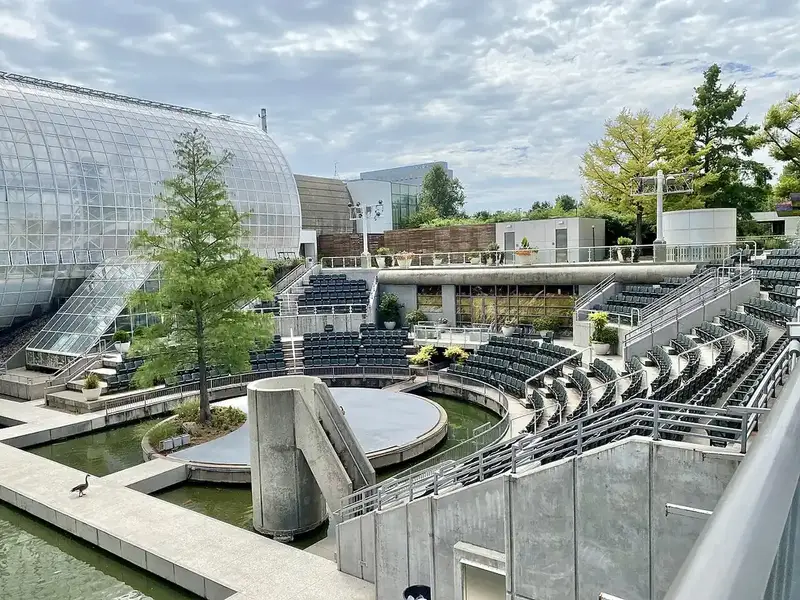
Roof Repair in Asian District
Roof Repair for Asian District homes - local conditions, a clear process, and one call to get it started.
roof repair in Asian District is a neighborhood trade: same sky as everywhere in the metro, different slopes, different drainage, different storm history.
Repair is the honest middle of roofing: more than a smear of sealant, less than a new roof. In Asian District it is where most roofs spend most of their lives, and done properly - at the entry point, with the right materials - it is what carries a sound roof through decades of storm seasons.
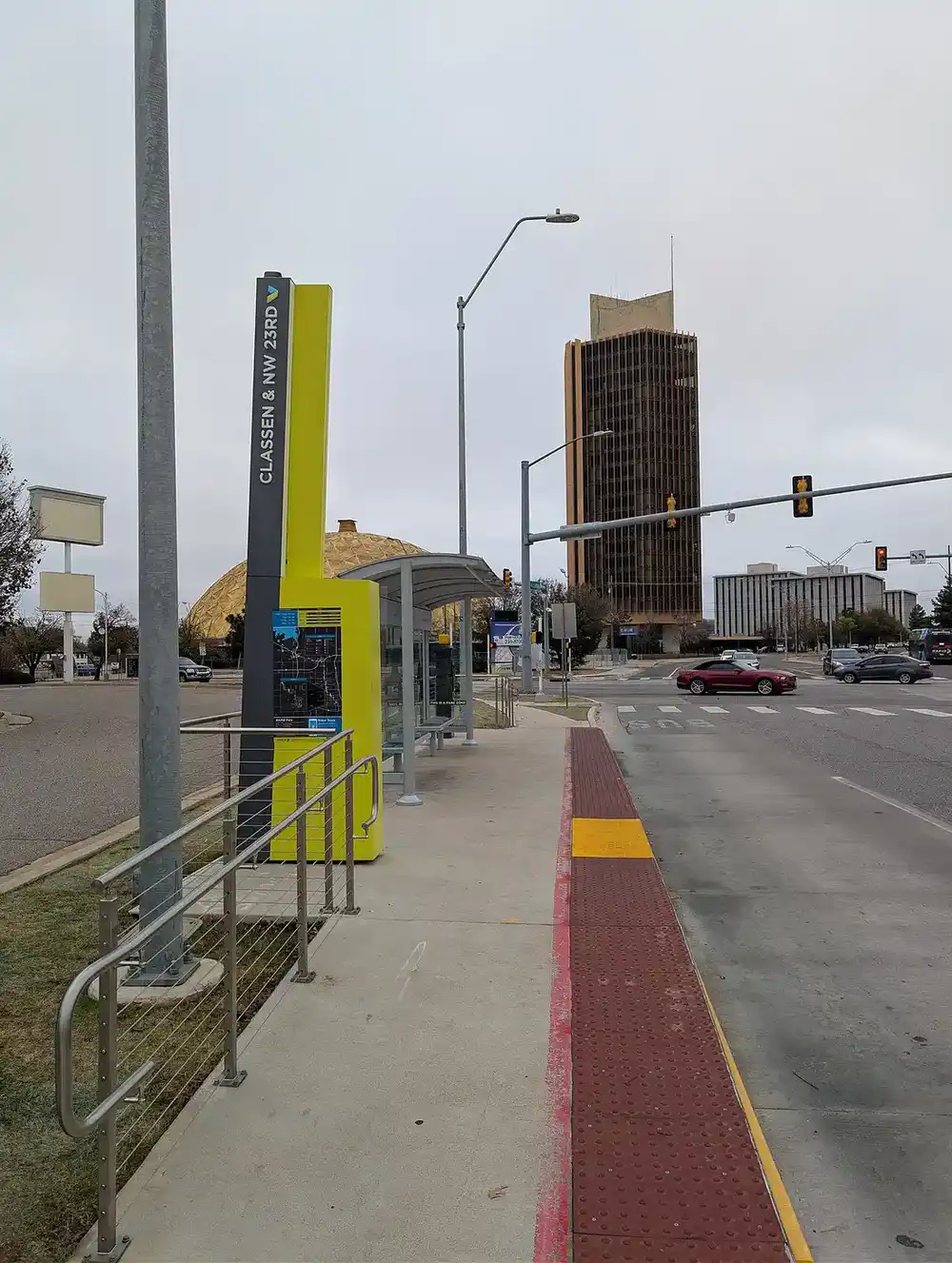
Oklahoma City's Asian District runs along Classen Boulevard from NW 23rd into the 30s, a corridor of markets, restaurants and community anchors built by the city's Vietnamese and broader Asian communities since the 1970s. Modest older homes fill the streets behind the corridor.
The details of the neighborhood matter for this work. Mid-century commercial buildings with flat roofs along Classen, and 1920s-1960s homes behind them - and that shapes the roofing work directly. Corridor flat roofs carry the ponding and seam list, while the homes behind them carry hail-worn shingles and aging details. For roof repair in Asian District, tracing the entry here before sealing anything is worth more than any tube of sealant after.
The houses of Asian District share a family resemblance - same eras, same materials, same builders' habits - and their roofs inherit it. roof repair planned with that resemblance in mind anticipates the finding before the ladder is up: the detail that failed at the house by the Classen Boulevard corridor and its markets and restaurants is the first detail checked on the next street over.
Signs Asian District Homes Need Roof Repair
Rust or daylight at flashing
Flashing that has rusted through or pulled from a wall is an open door with a schedule: it leaks when the rain direction suits it.
Missing or creased shingles after wind
Wind creases the mat along the tab line; the shingle looks present but its seal and its strength are gone.
A leak that appears only in hard rain
Wind-driven rain finds entries that gentle rain cannot - typically lifted tabs, flashing joints and valley edges.
Why This Work Runs in Asian District
Aging patterns matter too. Subdivisions roofed in the same building wave reach repair age together, and a repair that is right for a ten-year-old roof is wrong for a twenty-five-year-old one - on the older roof, the same symptom is the surface announcing its end.
Corridor flat roofs carry the ponding and seam list, while the homes behind them carry hail-worn shingles and aging details. Wind drives down the wide boulevard and tests the commercial edges first.
In Asian District, that plays out street by street - and the repair is only called done after it has met weather - or a hose - on the roofer's own test. Around the Classen Boulevard corridor and its markets and restaurants, the service rhythm runs a few weeks ahead of the calendar - exposure shows up early where the roofs are oldest.
Spring's second act is the hail audit. After the first big cell crosses the metro, the pattern repeats street by street: granules at the downspout outlets, soft spots on the south slopes, and neighbors comparing notes over fences. Homes that get a documented post-storm inspection start their repair decisions from evidence; homes that skip it find out over the following year, one stain at a time.
What a good visit looks like: the roofer arrives with the right equipment for the roof you described, inspects before quoting, and works the source - the entry, the seam, the valley - rather than the symptom you happened to see. Anything that needs a follow-up is scheduled before they leave.
The turning season rearranges exposure in Asian District: the slope that took the hail in April is the slope the first freeze will interview in December.
Homeowners in Asian District ask what they should do before the visit. The answer is access, not cleaning: clear the roof hatch, the attic access and the side yards, and secure the pets. The evidence should stay exactly where it is.
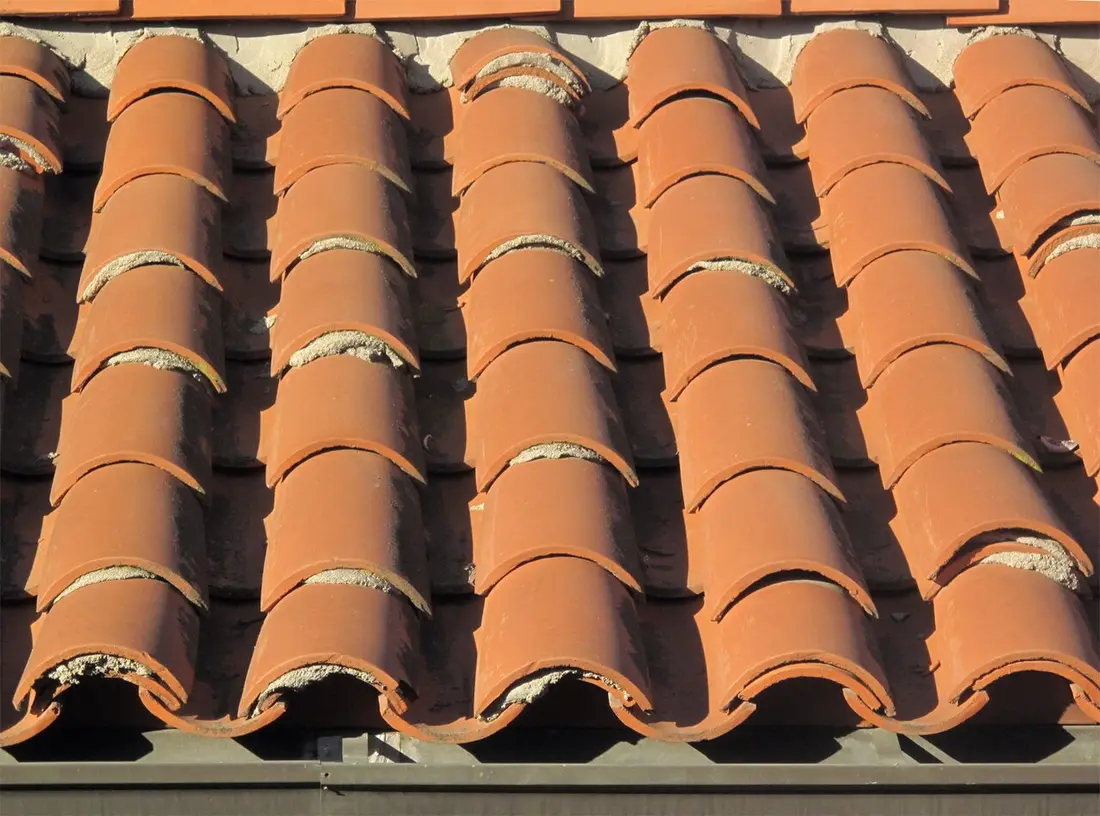
How Roof Repair Works in Asian District
The full step-by-step process for this service - inspection, scope, the work itself and follow-up - is laid out on the main Roof Repair page. In Asian District the same sequence runs with the local map in hand: the drainage around the Classen Boulevard corridor and its markets and restaurants, the housing pattern described above, and the exposure this neighborhood actually carries.
The Asian District Angle
What makes Asian District different is not the roof; it is the setting - plains wind, storm water and hail, arranged by one neighborhood's geography. Housing here tells the roofer where to look first. Mid-century commercial buildings with flat roofs along Classen, and 1920s-1960s homes behind them.
The roof side of the equation is just as local. Corridor flat roofs carry the ponding and seam list, while the homes behind them carry hail-worn shingles and aging details. Wind drives down the wide boulevard and tests the commercial edges first. The result, when the work follows the map, is a tighter roof and a shorter list of surprises next season.
Asian District does not sit alone on the map. It weathers the same storms as Uptown 23rd, Crown Heights and Belle Isle - the same cells cross the metro, the same wind works the same materials, and the same seasons move through all of them within the same few weeks. That shared geography is the argument for local pages and local visits - the map is the method.
On the route map, Asian District sits in the oklahoma city district group, ZIP 73118 - close enough to Uptown 23rd, Crown Heights that crews work them on the same runs. Crews working a route learn its roofs - the repeat leaks, the hail-tired slopes, the edges that go first - and roof repair gets better every run.
A word on timing in Asian District: the roof repair calendar here is weather-ruled. The crews' busiest weeks follow the storms by days, and their calmest weeks precede them by the same margin. Nothing about the work changes between those weeks - but the owner's experience of it, and the time available for decisions, changes completely.
Prevention That Helps in Asian District
- Do not seal a stain from inside; the entry stays open above it.
- Photograph leaks while they happen: the drip's location against the weather is diagnostic gold.
- Keep the attic hatch accessible - tracing starts below the roof.
Mid-century commercial buildings with flat roofs along Classen, and 1920s-1960s homes behind them.
Keep Exploring
Roof Repair nearby:
- Roof Repair in Uptown 23rd
- Roof Repair in Crown Heights
- Roof Repair in Belle Isle
- Roof Repair in Mesta Park
More services in Asian District:
- Tornado Damage Repair in Asian District
- Flat Roofing in Asian District
- Shingle Roofing in Asian District
- Roof Maintenance in Asian District
See the full roofing page for Asian District and the Roof Repair overview for Oklahoma City.
Roof Repair in Asian District - Questions
Why is the leak in my Asian District home not above the stain?
Because roofs are layered and sloped. Water enters high, runs along the underlayment or a rafter under gravity, and drops where the path ends - a ceiling joint, a light fitting, a wall cavity. The stain marks the end of the journey, not the start.
How long should a roof repair in Asian District last?
A correct repair on a sound roof lasts as long as the surrounding material - years. A repair that fails within a season usually means the entry was missed or the surrounding surface is spent, and an honest roofer will tell you which.
Can one Roof Repair visit in Asian District handle the whole problem?
Sometimes - when the finding is small, local and caught early. More often the honest answer is a short sequence: fix what is open, renew what is due, and check back on the material's own schedule. The first visit's job is to tell you which of those your Asian District roof needs.
Hail Marks on the Roof, Shingles in the Yard or a Leak Over the Living Room?
One call connects you with a roofing professional serving Oklahoma City and the surrounding communities - inspection, repair, replacement and upkeep.
📞 Call Now