Roofing in Asian District
Local roofing for Asian District - the roofs, the seasons and the services that matter in this part of the metro.
Serving Asian District ZIP 73118. Call to connect with a local professional.
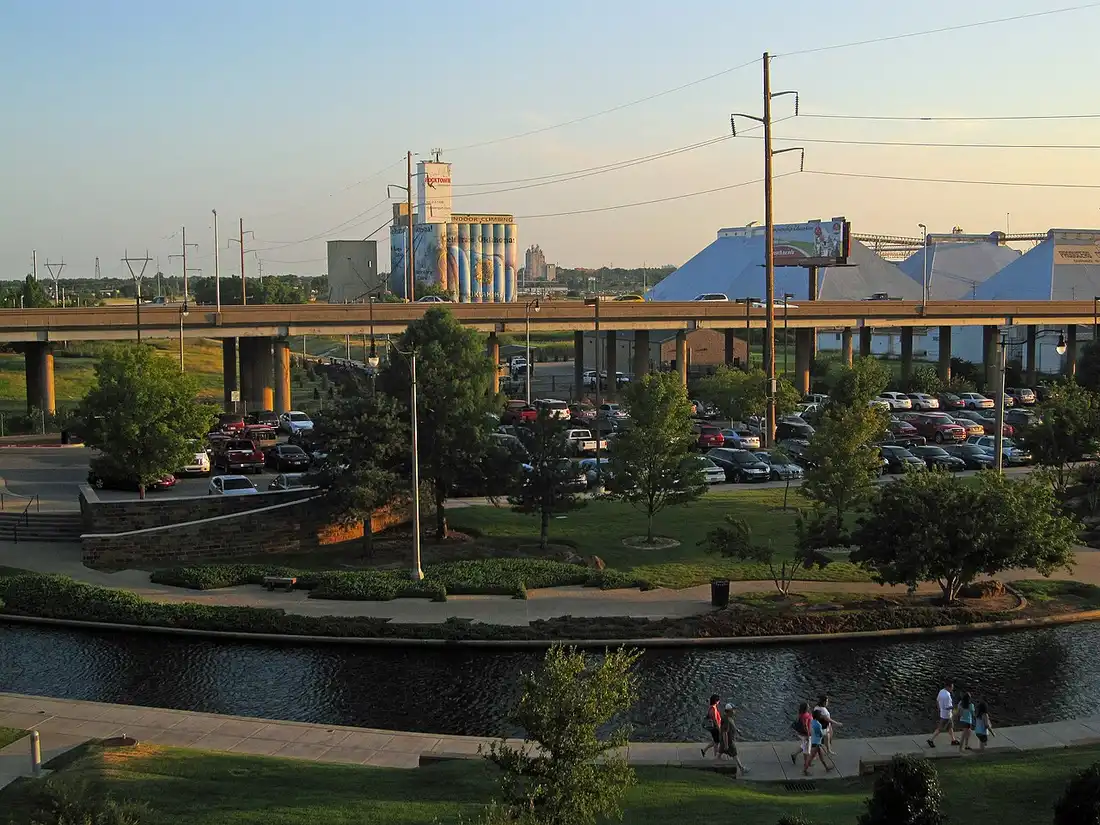
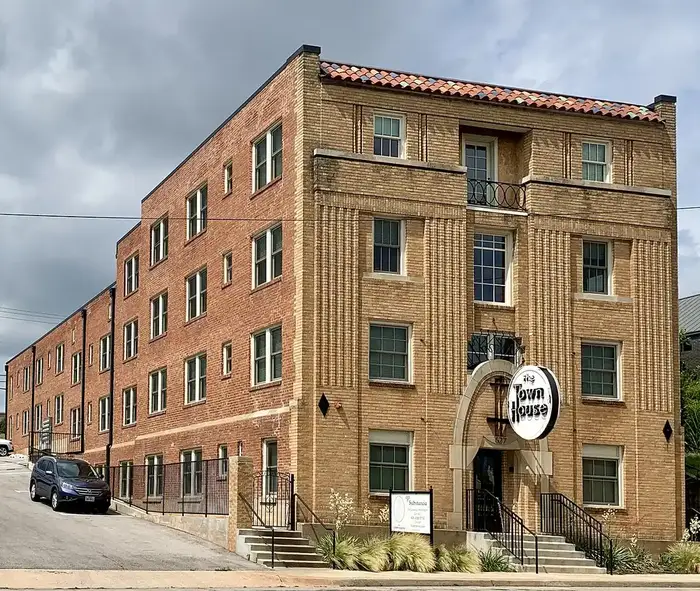
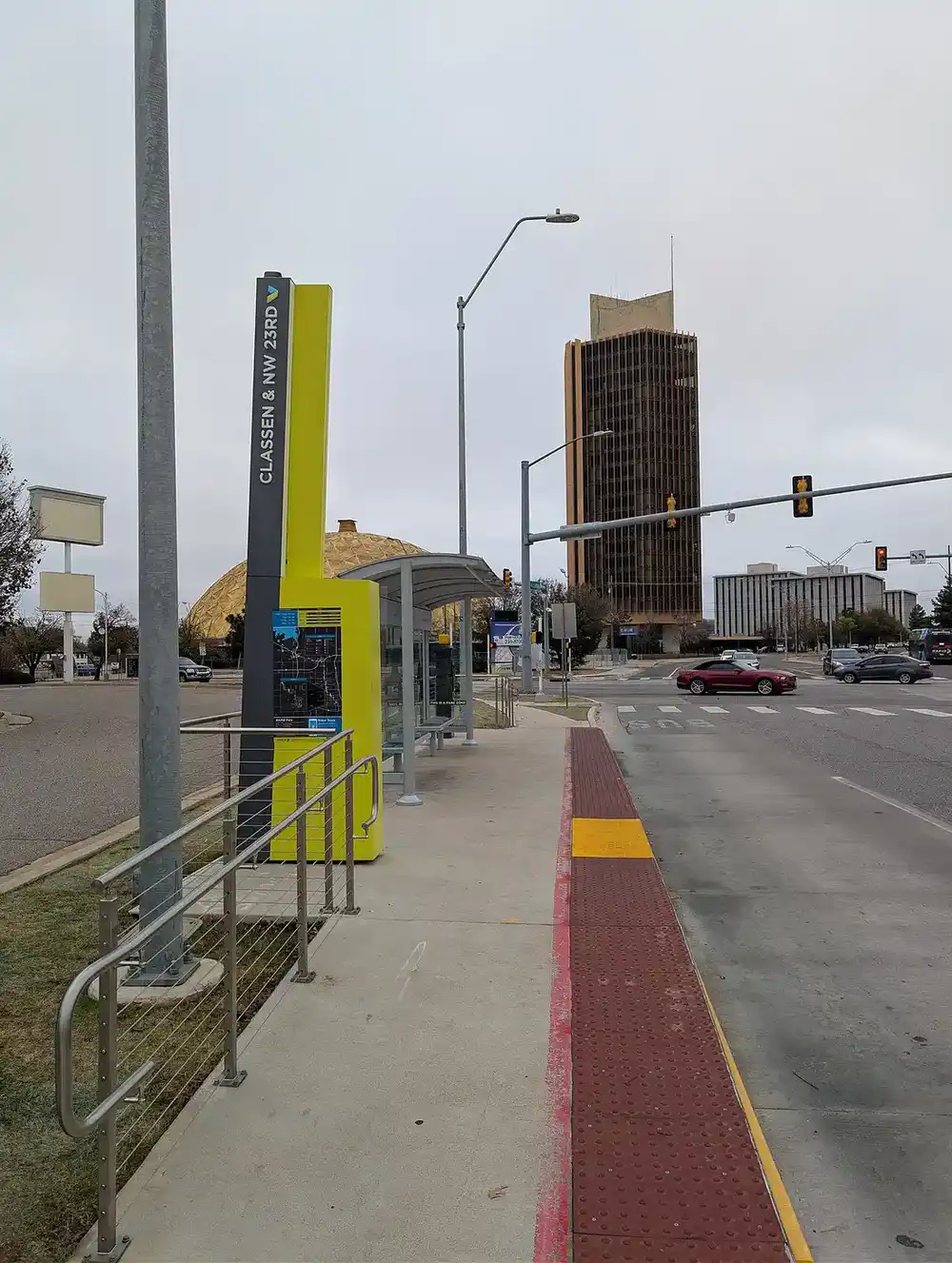
Oklahoma City's Asian District runs along Classen Boulevard from NW 23rd into the 30s, a corridor of markets, restaurants and community anchors built by the city's Vietnamese and broader Asian communities since the 1970s. Modest older homes fill the streets behind the corridor.
Mid-century commercial buildings with flat roofs along Classen, and 1920s-1960s homes behind them.
Corridor flat roofs carry the ponding and seam list, while the homes behind them carry hail-worn shingles and aging details. Wind drives down the wide boulevard and tests the commercial edges first.
Stand at the Classen Boulevard corridor and its markets and restaurants and you are standing in the middle of Asian District's roof map: the exposure changes block by block from there - shade here, full southern sun there, a wind corridor down one street and shelter on the next. Roofers who work this area carry that map in their heads, because the same house design ages three different ways on three different streets. The pages below are organized around exactly that.
The Asian District Roofing Snapshot
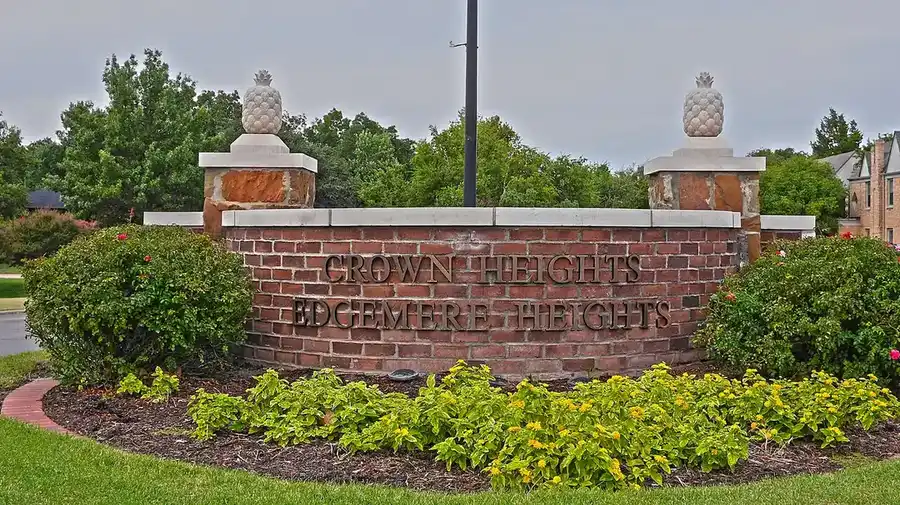
Asian District is classed on this site as oklahoma city district ground in ZIP 73118, anchored by the Classen Boulevard corridor and its markets and restaurants and bordered in practice by Uptown 23rd, Crown Heights, Belle Isle. Its roofing story in one paragraph: Corridor flat roofs carry the ponding and seam list, while the homes behind them carry hail-worn shingles and aging details. Wind drives down the wide boulevard and tests the commercial edges first. Homeowners here searching for help usually start from one of the services below - and the ones who start before storm season start ahead in everything but the calendar: earlier, calmer and on their own schedule.

Common Roofing Work in Asian District
Hail Damage Repair
Hail damage repair in Oklahoma City - per-slope hail mapping, split and bruised shingle work, and honest scopes drawn from the dam...
Hail Damage Repair in Asian DistrictWind Damage Repair
Wind damage repair in Oklahoma City - creased and lifted shingles, peeled sections and the fastening audit that keeps the next sto...
Wind Damage Repair in Asian DistrictRoof Repair
Roof repair in Oklahoma City - leak tracing, flashing and valley work, shingle and seam repairs done at the source, not at the sta...
Roof Repair in Asian DistrictFlat Roofing
Flat roofing in Oklahoma City - low-slope membranes, drainage correction, parapet and seam care for homes and commercial buildings...
Flat Roofing in Asian DistrictRoof Inspection
Roof inspection in Oklahoma City - slope-by-slope grading, hail and wind evidence read properly, and a written report you can plan...
Roof Inspection in Asian DistrictTornado Damage Repair
Tornado damage repair in Oklahoma City - post-storm safety, debris-opened roofs covered and documented, and permanent rebuilds sco...
Tornado Damage Repair in Asian DistrictAll Services in Asian District
- Roofing in Asian District
- Roof Replacement in Asian District
- Roof Repair in Asian District
- Emergency Roof Repair in Asian District
- Hail Damage Repair in Asian District
- Tornado Damage Repair in Asian District
- Roof Inspection in Asian District
- Roof Maintenance in Asian District
- Shingle Roofing in Asian District
- Metal Roofing in Asian District
- Flat Roofing in Asian District
- Roof Coatings in Asian District
- Wind Damage Repair in Asian District
Asian District Through the Roofing Year
Oklahoma City winters swing: bright mild weeks, then an ice storm or a hard cold snap. The December 2007 and October 2020 ice storms loaded trees and roofs across the metro in a single night each. Water that works into a crack or under a lifted shingle by day can freeze and widen it by night, and ice dams form at the eaves of poorly insulated homes. Winter is inspection and planning season here - the roofs read in winter get fixed in spring, ahead of the storms.
Summer splits in two: the storm tail of June and early July, when late cells still drop hail on the metro, and the long bake that follows, when roof surfaces on a July afternoon run far hotter than the air and shingles soften, coatings cure and age, and attic heat builds under every dark slope. Most hail damage is discovered in summer - the storm did the work in spring, and the leaks report when the shrink-swell of hot days opens them up.
Oklahoma City sits in the heart of the southern plains, where the Canadian River - renamed the Oklahoma River through the city - crosses Tornado Alley itself. The roof calendar here is written by spring supercells with large hail and damaging wind, by summers hot enough to soften shingle asphalt for weeks at a stretch, and by winters that swing from mild days to ice storms. An Oklahoma City roof is not tested by one climate - it is tested by all of them, in turns, every year.
Keeping Asian District Roofs Ahead of the Weather
There is a rhythm to the roofs that last in Asian District, and it is not complicated: hail is read early while its evidence is fresh, joints are renewed before they split, and fastenings are audited before the wind audits them. The neighborhood's quiet roofs are not lucky. They are kept. Mid-century commercial buildings with flat roofs along Classen, and 1920s-1960s homes behind them. Homes here that run that rhythm spend their money on schedule. Homes that skip it spend it on emergencies.
Nearby Areas
Roofing Questions in Asian District
Do homes near the Classen Boulevard corridor and its markets and restaurants need different roof care?
The landmark matters because it marks the exposure: homes near the Classen Boulevard corridor and its markets and restaurants share Asian District's wind, hail paths and drainage patterns, and those patterns decide which roofs age fastest. The care itself is the same discipline - it is the timing and the trouble spots that change.
What should I check after a hail storm in Asian District?
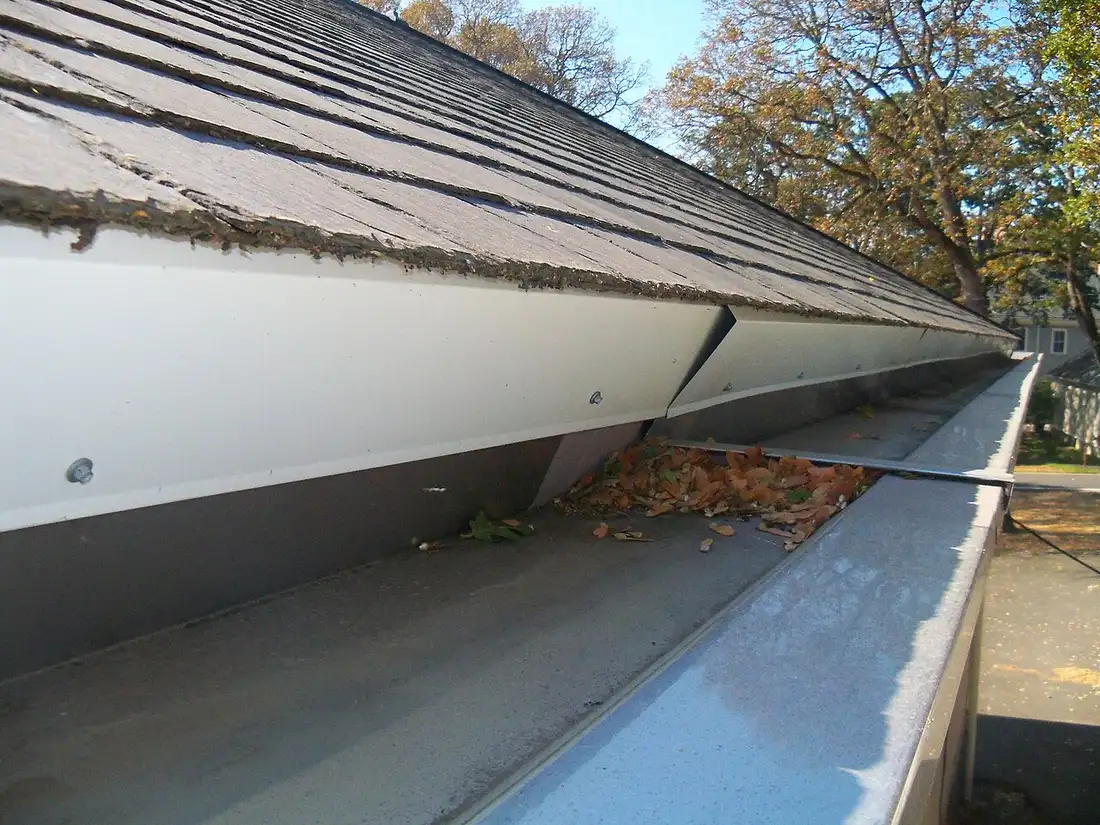
From the ground: look for shingles or pieces in the yard, check gutters and downspout outlets for piles of granules, and look at ceilings for new stains. In Asian District, also check anywhere near the Classen Boulevard corridor and its markets and restaurants where wind funnels. Anything beyond a visual check belongs to a roofer with a ladder.
What does a new roof cost in Asian District?
Cost follows the roof itself: its size and pitch, the material chosen, how many old layers come off, and the state of the decking and flashing underneath. Any real number comes after a roofer measures and inspects - quotes given without looking are guesses, and this directory does not deal in guesses.
What roofing problems are most common in Asian District?
The regulars in Asian District follow the Oklahoma City pattern - hail wear, wind-lifted materials, storm-season leaks at seams and flashings - shaped by the area itself: corridor flat roofs carry the ponding and seam list, while the homes behind them carry hail-worn shingles and aging details.
How often should a roof in Asian District be inspected?
Once a year is the working rule in Oklahoma City, ideally in early spring before storm season, and after any major hail or wind event. Mid-century commercial buildings with flat roofs along Classen share the same hail and wind as the rest of the metro. Shingle roofs that have taken hail reward a second look in fall, when the summer heat has opened up whatever the stones bruised.
Hail Marks on the Roof, Shingles in the Yard or a Leak Over the Living Room?
One call connects you with a roofing professional serving Oklahoma City and the surrounding communities - inspection, repair, replacement and upkeep.
📞 Call Now