Roofing in Asian District
Roofing for Asian District homes - local conditions, a clear process, and one call to get it started.
roofing in Asian District is a neighborhood trade: same sky as everywhere in the metro, different slopes, different drainage, different storm history.
Ask around Asian District and the roof stories repeat: granules in the downspouts after the May hail, a stain that showed up two seasons after the storm, ridge caps in the yard after a windy night. General roofing work here means knowing which Oklahoma force caused the damage before choosing the fix.
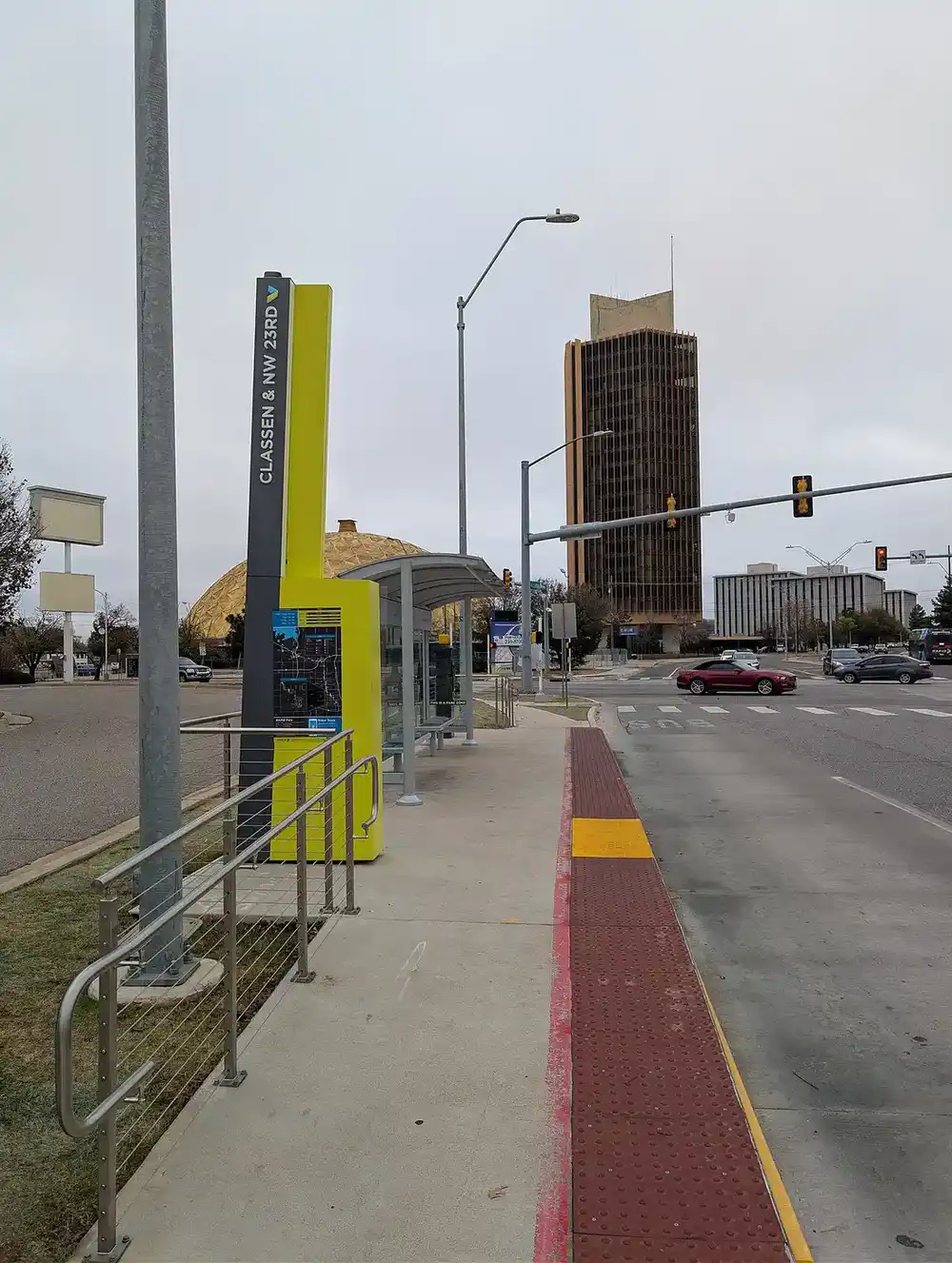
Oklahoma City's Asian District runs along Classen Boulevard from NW 23rd into the 30s, a corridor of markets, restaurants and community anchors built by the city's Vietnamese and broader Asian communities since the 1970s. Modest older homes fill the streets behind the corridor.
Local conditions shape the work here. Mid-century commercial buildings with flat roofs along Classen, and 1920s-1960s homes behind them - and that shapes the roofing work directly. Corridor flat roofs carry the ponding and seam list, while the homes behind them carry hail-worn shingles and aging details. For roofing in Asian District, a documented first look is the fastest way to find out what state your roof is actually in.
What the roofing map of Asian District looks like, drawn honestly, is a set of small clusters: the streets near the Classen Boulevard corridor and its markets and restaurants with their shared exposure, the older blocks with their shared details, the newer roofs with their shared shortcuts. Every visit adds a house to the map, and the map is what makes the next visit faster, sharper and easier to scope.
Signs Asian District Homes Need Roofing
Shingles or pieces on the ground
Material in the yard after wind or hail means the roof above is missing pieces, and the underlayment below is taking the weather directly.
Ponding water on a flat roof
Water still standing a day after rain is sitting on the membrane, adding weight and working at every seam until one of them lets go.
Granule piles at downspout outlets
Loose grit washing off shingles after storms is the roof's surface wearing away - hail and age both leave this signature, and it is a sign the shingles are losing their protective layer.
Why This Work Runs in Asian District
The second engine is wind. Plains wind does not only arrive with storms - it works daily at every loose tab, lifted ridge and tired sealant line, and storm outflows arrive with gusts that find whatever the daily wind loosened. Fastening quality, invisible from the street, is what separates the roofs that ride storms out from the ones that report them.
Corridor flat roofs carry the ponding and seam list, while the homes behind them carry hail-worn shingles and aging details. Wind drives down the wide boulevard and tests the commercial edges first.
In Asian District, that plays out street by street - and the documented condition from that first visit is what every later decision stands on. The pattern in Asian District rewards the homes that renew in the off-season; the rest meet the same problem at its seasonal peak.
Oklahoma City winters swing: bright mild weeks, then an ice storm or a hard cold snap. The December 2007 and October 2020 ice storms loaded trees and roofs across the metro in a single night each. Water that works into a crack or under a lifted shingle by day can freeze and widen it by night, and ice dams form at the eaves of poorly insulated homes. Winter is inspection and planning season here - the roofs read in winter get fixed in spring, ahead of the storms.
Expect the findings to be specific: this valley, that flashing joint, the creased row above the porch, the bruised square on the south slope. Vague findings produce vague results. A visit that ends with a map - of entries, of drainage, of what gets fixed and what gets watched - is a visit that was worth booking, whatever the roof turns out to need.
Around the Classen Boulevard corridor and its markets and restaurants, the season shows up early: exposed blocks and older roofs run a few weeks ahead of the sheltered ones.
One more preparation that matters on the plains: tell the office about any solar panels, antennas or skylights on the roof. Rooftop equipment shapes inspection routes more than most homeowners expect.
How Roofing Works in Asian District
The full step-by-step process for this service - inspection, scope, the work itself and follow-up - is laid out on the main Roofing page. In Asian District the same sequence runs with the local map in hand: the drainage around the Classen Boulevard corridor and its markets and restaurants, the housing pattern described above, and the exposure this neighborhood actually carries.
The Asian District Angle
What makes Asian District different is not the roof; it is the setting - plains wind, storm water and hail, arranged by one neighborhood's geography. Where the weather lands hardest follows the housing. Mid-century commercial buildings with flat roofs along Classen, and 1920s-1960s homes behind them.
The roof side of the equation is just as local. Corridor flat roofs carry the ponding and seam list, while the homes behind them carry hail-worn shingles and aging details. Wind drives down the wide boulevard and tests the commercial edges first. Which is the whole method: read Asian District first, then do roofing work that fits what the reading found.
Asian District does not sit alone on the map. It weathers the same storms as Uptown 23rd, Crown Heights and Belle Isle - the same cells cross the metro, the same wind works the same materials, and the same seasons move through all of them within the same few weeks. The neighborhoods lean on each other here: the same storm cell grades them all within the same hour.
On the route map, Asian District sits in the oklahoma city district group, ZIP 73118 - close enough to Uptown 23rd, Crown Heights that crews work them on the same runs. Which means roofing here is scheduled with the neighborhood's pattern in mind, not dropped into it cold.
Neighbors talk, and in Asian District that is a feature: the street learns which roofs took the hail, whose seals let go in the March wind, and which roofing visits ended with photographs and a plan. That shared record is informal, but it is the closest thing a neighborhood has to a roof registry - and the homes in it fare better.
Prevention That Helps in Asian District
- Keep gutters and valleys clear of the debris that dams water under the courses.
- Photograph the roof after big hail or wind so changes are easy to spot later.
- Reseal seams and flashings at the first sign of cracking, not the first leak.
Mid-century commercial buildings with flat roofs along Classen, and 1920s-1960s homes behind them.
Keep Exploring
Roofing nearby:
More services in Asian District:
- Hail Damage Repair in Asian District
- Roof Maintenance in Asian District
- Roof Coatings in Asian District
- Roof Inspection in Asian District
See the full roofing page for Asian District and the Roofing overview for Oklahoma City.
Roofing in Asian District - Questions
Does the type of roof on my Asian District home change the advice?
Completely. Shingle roofs live and die by hail wear and sealing, metal roofs by their fasteners and seams, flat roofs by drainage and coating condition. Any advice that ignores the system is generic, and generic advice leaks.
What does a general roofing visit in Asian District actually cover?
It covers inspection of the roof system you have - surface, seams, flashing, valleys, drainage and the attic side where reachable - identification of active leaks and worn areas, and a plain-language plan: what to repair now, what to watch, and what to plan for later.
What happens after a Roofing visit in Asian District?
You get the findings in plain language - what was found, what was fixed, what was renewed and what to watch - plus the maintenance list for your side and the follow-up timing if the material's calendar calls for one. The goal is a quiet roof and no surprises.
Hail Marks on the Roof, Shingles in the Yard or a Leak Over the Living Room?
One call connects you with a roofing professional serving Oklahoma City and the surrounding communities - inspection, repair, replacement and upkeep.
📞 Call Now